The Role of Expert Witnesses in Arizona Criminal Cases
Expert witnesses can play an important role in Arizona criminal cases when jurors must make sense of scientific, medical, or technical information that goes beyond everyday experience. These specialists can review how law enforcement interpreted the evidence, identify areas where the conclusions may be incomplete or open to alternative explanations, and help jurors understand how the data supports different perspectives.
Their analysis can provide context that may not appear in the reports presented by the State and give the jury a clearer understanding of what the evidence does and does not show.
Why Expert Witnesses Matter in Certain Criminal Cases
Prosecutors present blood-alcohol readings, DNA mixtures, video analysis, mental-health evaluations, and digital data in a way that supports the State’s theory of the case.
At trial, the defense may present alternative explanations that raise questions about how the evidence should be interpreted. To do this, the defense may consult their own experts to review the same material and identify areas where the evidence is incomplete, inconsistent, or subject to dispute.
Expert witnesses are not necessary in every case. Many matters involve straightforward facts or credibility questions rather than scientific interpretation. But when the evidence is technical, an expert’s analysis can help jurors understand where the evidence supports more than one interpretation.
Cases Where Expert Testimony Is Most Common in Arizona
Violent Crimes Involving Forensic Evidence
These cases often involve DNA testing, fingerprint analysis, bloodstain interpretation, ballistics, or medical evaluations of injury patterns. Experts may review the State’s conclusions, analyze lab methods, or offer alternative interpretations of how an event unfolded.
DUI and Vehicular Cases
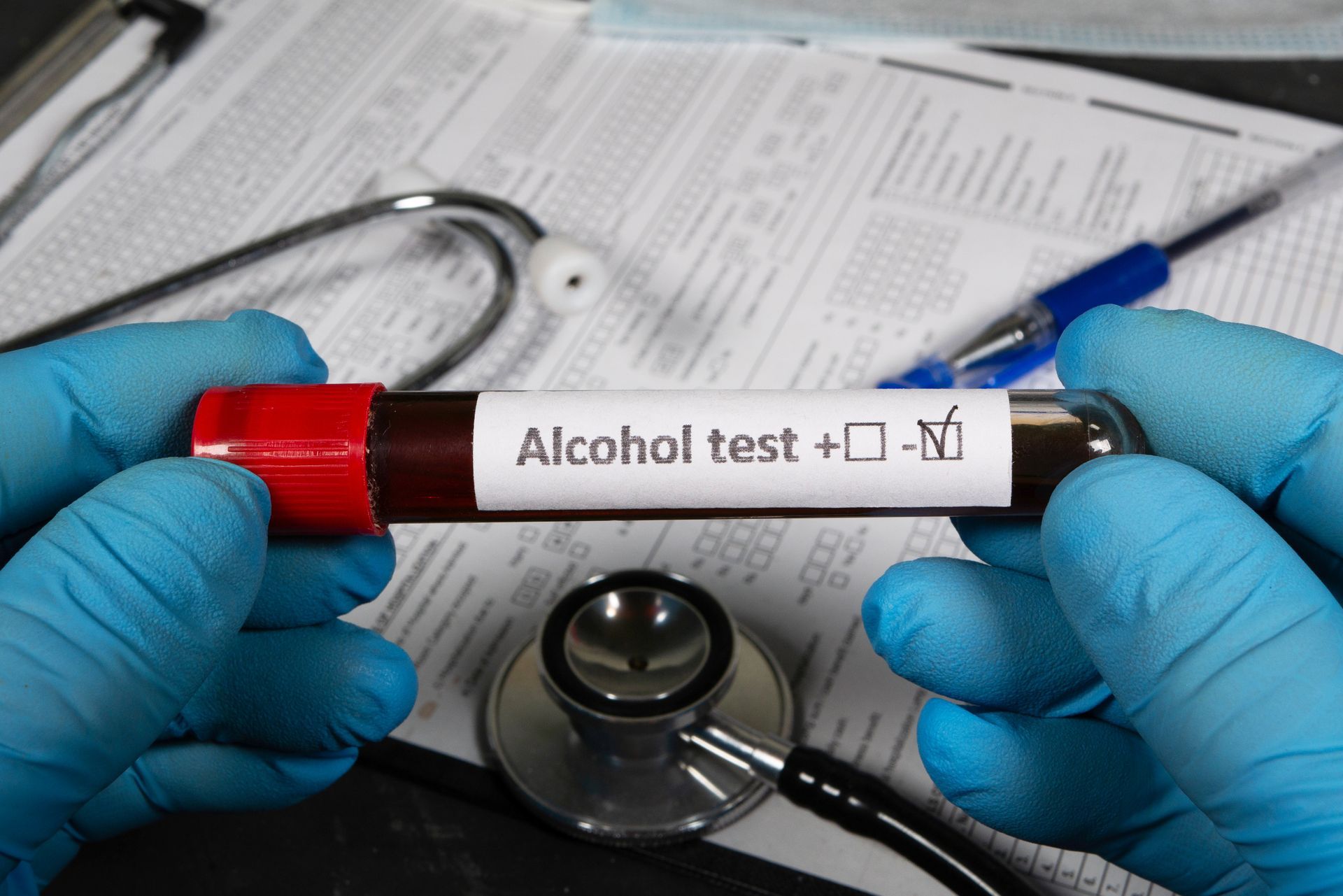
Experts are frequently used in serious DUI or collision investigations. They may evaluate breath-testing procedures, blood-testing reliability, contamination issues, or accident reconstruction principles that explain vehicle speed, stopping distance, or line-of-sight issues.
Cases Involving Mental Health or Psychological Considerations
Psychologists or psychiatrists may assess competency, cognitive functioning, trauma responses, or mental-state factors relevant to the allegations.
White-Collar or Financial Investigations
Forensic accountants, auditors, or digital-data specialists may analyze financial records, loss calculations, or electronic transaction trails that form the basis of the State’s case.
Technical or Digital-Evidence Cases
Cell-phone forensics, metadata review, video authentication, and similar forms of digital analysis often require expert interpretation. These specialists can identify gaps or errors in how the State processed or understood the data.
What an Expert Witness Can Do for the Defense
Review and Challenge the State’s Scientific Evidence
Experts can assess whether lab results, testing methods, or investigative techniques meet accepted scientific standards. If a mistake occurred, the testing methods were unreliable, or the State’s interpretation was more subjective than objective, the expert can explain those issues to the jury in clear, understandable terms.
Provide Independent Analysis or Testing
When appropriate, a defense expert may re-test biological samples, evaluate digital evidence, or analyze documents using different methodologies than those used by law enforcement.
Help Jurors Understand Technical Concepts
Expert testimony can translate complex scientific or technical issues into straightforward explanations, giving jurors the context needed to evaluate the evidence accurately.
Support Pretrial Motions or Evidentiary Challenges
Defense counsel may use expert findings to challenge the admissibility of certain tests, request suppression of flawed evidence, or contest the reliability of specific investigative methods.
Limits of Using Expert Witnesses
Admissibility Decisions Rest With the Judge
Courts must determine whether expert testimony meets standards for reliability and relevance. Not all proposed testimony is admitted.
Cost and Preparation Time Vary
Experts charge fees for review, analysis, and courtroom testimony. Their involvement requires early planning to be effective.
Experts May Disagree
Different experts can interpret the same evidence in different ways. Jurors evaluate credibility based on the expert’s qualifications, clarity, and methodology.
How a Phoenix Criminal Defense Attorney Decides When an Expert Is Appropriate
Defense lawyers evaluate the evidence to determine whether specialized analysis could clarify or challenge key technical findings in the State’s case.
Early review of the evidence allows a criminal defense attorney to determine what strategy may be appropriate and whether expert analysis could aid in your defense. If your case involves forensic, digital, psychological, or technical evidence, call Arizona Board-Certified Criminal Defense Attorney Michael Alarid III at (602) 818-3110 for a free consultation.
Practice Areas
RECENT NEWS