
DUI Crimes
ARIZONA CRIMINAL DEFENSE ATTORNEY FOR DUIs
Board-Certified DUI Defense Attorney in Arizona
A DUI arrest in Arizona immediately puts your license, your freedom, and your record at risk. There’s no sugarcoating how difficult even a first-time regular DUI charge can make your life. Right away you’ll need to start keeping track of court dates and MVD deadlines. You are likely looking at some jail time and thousands of dollars in penalties.
Resigning yourself to the consequences is not your only option. A DUI charge does not come with an automatic conviction. The stop, the arrest, the testing procedures, and the evidence can all be challenged.
Even when challenges are limited, mitigation matters. A person’s history, employment, and proactive steps taken after an arrest can influence negotiations and sentencing.
Michael Alarid III is one of only three Arizona attorneys who is board certified in DUI defense through the National College for DUI Defense (NCDD) and criminal law by the Arizona State Bar. He has extensive experience in DUI defense and is ready to work aggressively to challenge the evidence, advocate for you, and protect your future.
WHAT SHOULD YOU EXPECT?
Learn More About DUI Defense in Arizona
YOU’VE BEEN ARRESTED FOR DUI. NOW WHAT?
What to Do in the First 24 Hours After a DUI Arrest
The first 24 hours after a DUI arrest can feel chaotic. You may be dealing with release conditions, vehicle impound issues, court paperwork, and questions about your license. The steps taken early on can influence what happens next.
In many situations, it may be in your best interest to:
- Review any paperwork you received at release. This may include a citation, court date, or notice regarding your driver’s license. Deadlines can begin immediately.
- Determine the status of your driver’s license and any applicable deadlines that may affect your driving privileges. In Arizona, a DUI arrest can trigger both a criminal case and an administrative MVD process.
- Avoid discussing details of the incident with others. Statements made to friends, family members, or on social media can sometimes become part of the case.
- Preserve any information that may be relevant. This could include receipts, witness contact information, or details you remember about the stop and testing.
- Consult with an experienced DUI defense attorney as early as possible. Early review of the stop, testing procedures, and license issues can help clarify your options.
Making smart decisions in the days after a DUI arrest can make a meaningful difference in how your case progresses. Speaking with an attorney who has handled all types of DUI cases can help you make informed decisions and take proactive steps that may help lessen the severity of short-term disruptions and long-term consequences.
The Law Office of Michael Alarid provides focused DUI defense representation and can help you understand what you’re facing and what options may be available in your case.
Related Practice Areas
RECENT CASE RESULTS





Categories of Driving Under the Influence Charges
Standard DUI / Regular DUI - ARS 28-1381(A)(1) & (A)(2)
In Arizona, you may be charged with a regular DUI if you are impaired to the slightest degree by alcohol or drugs when you’re stopped by police, or if testing shows a BAC between .08% and .149% within two hours of driving or being in actual physical control of a vehicle.
Even for a first-time regular DUI charge, the penalties and fines can be incredibly harsh:
- Minimum mandatory 10 days in jail (9 days may be suspended upon completion of alcohol screening)
- Approximately $2,000 in fines and assessments
- 90-day driver’s license suspension
- Ignition Interlock Device installed for one year (may be eligible for six months in some cases)
- Alcohol screening and required follow-up counseling
- Up to 5 years of probation
Then there may be other additional financial consequences, such as:
- Jail costs
- An increase in auto insurance
- Vehicle impoundment
Repeat offenders are looking at:
- A minimum of 90 days in jail (at least 30 consecutive days must be served; the remaining 60 days may be suspended upon completion of court-ordered screening and treatment)
- A minimum of $3,500 in fines and surcharges
- One-year license revocation
- An interlock device installed in your vehicle for one year after the license revocation ends
- 30 days of community service
- Alcohol screening/follow up counseling
Reinstatement of your license is not automatic after the revocation period. You must complete all court-ordered requirements and comply with MVD conditions before driving privileges are restored.
A third DUI within a span of 7 years may be charged as a Class 4 felony Aggravated DUI.
Extreme DUI – ARS § 28-1382(A)(1)
An Extreme DUI charge applies when a driver’s BAC measures between 0.15% and 0.199% within two hours of driving or being in actual physical control of a vehicle.
Because of the elevated BAC threshold, penalties increase substantially even for a first conviction.
First Extreme DUI
- Minimum 30 consecutive days in jail (may be reduced to 9 days with Subsection I sentencing)
- Fines and assessments generally exceeding $2,500
- 90-day license suspension
- Ignition Interlock Device (IID) for 12 months (no early removal eligibility)
- Alcohol screening and required treatment
- Possible probation up to five years
Second Extreme DUI Within 7 Years
- Minimum 120 days in jail
- Approximately $3,500 or more in fines and surcharges
- One-year license revocation
- IID required for 12 months after reinstatement
- Mandatory alcohol treatment
- Community service
The court has limited discretion to reduce jail time in extreme DUI cases compared to a standard DUI.
Super Extreme DUI – ARS § 28-1382(A)(2)
A Super Extreme DUI is charged when a BAC measures 0.20% or higher within two hours of driving. This is the most severe misdemeanor DUI category in Arizona.
First Super Extreme DUI
- Minimum 45 days in jail (may be reduced to 14 days with Subsection I sentencing)
- Fines and assessments typically exceeding $3,000
- 90-day license suspension
- IID required for 18 months
- Mandatory alcohol screening and treatment
- Possible probation and community service
In some cases, home detention may be available for a portion of the jail sentence, but eligibility varies and must be negotiated.
Second Super Extreme DUI Within 7 Years
- Minimum 180 days in jail
- Fines exceeding $4,000
- One-year license revocation
- IID required for two years after reinstatement
- Mandatory alcohol treatment and community service
Because jail time increases significantly at this level, early legal intervention becomes critical.
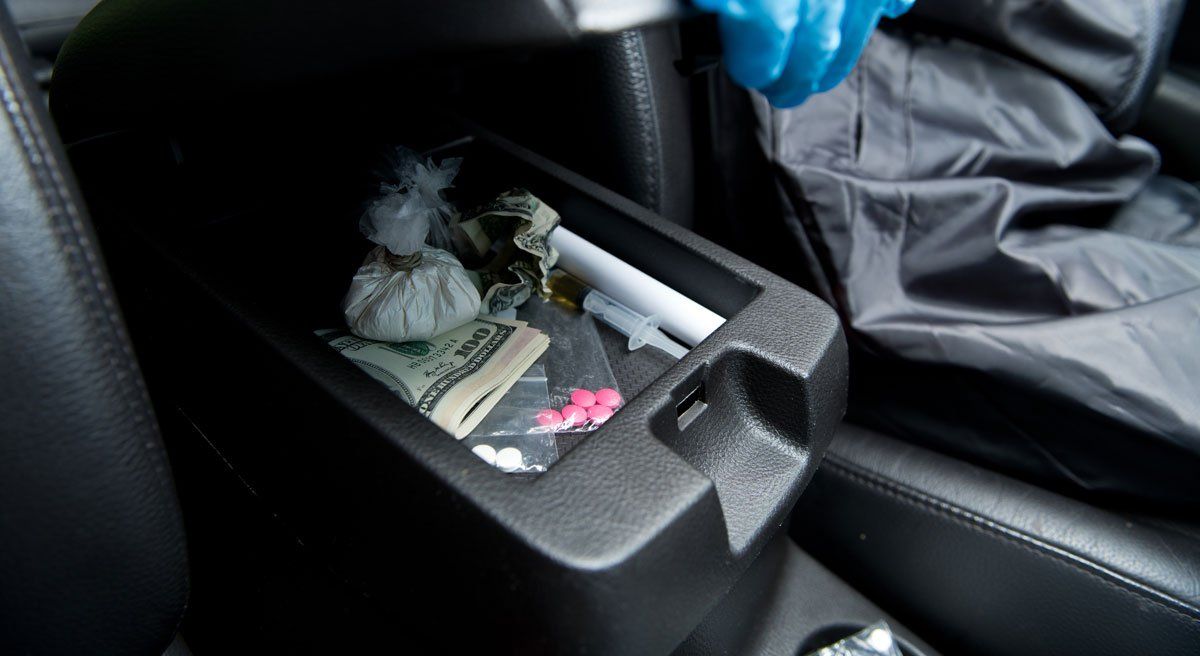
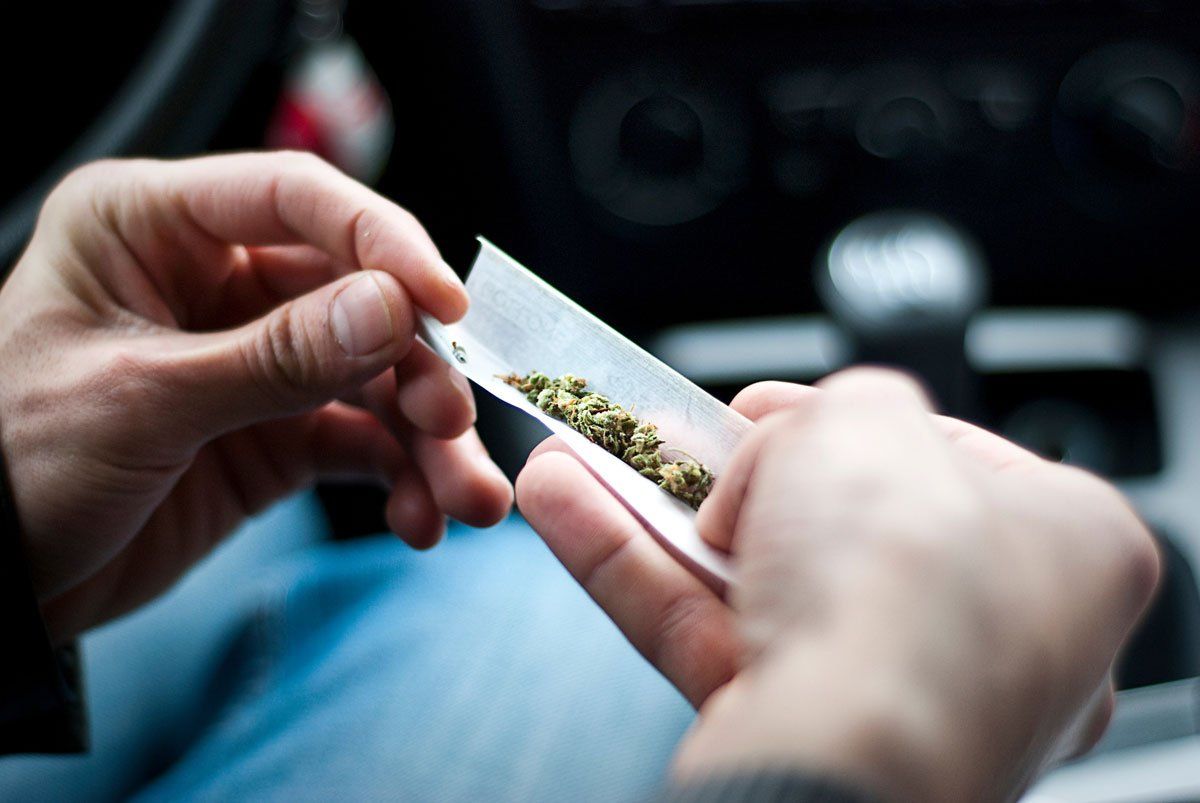
DUI Involving Drugs – ARS § 28-1381(A)(3)
Arizona law also prohibits driving with any amount of certain drugs or their impairing metabolites in your system. This includes illegal substances and, in some cases, prescription medications.
Unlike alcohol DUIs, drug DUIs do not rely on a numeric threshold. Prosecutors may pursue charges based on:
- Blood test results
- Officer observations
- Drug Recognition Expert (DRE) testimony
First-Offense Drug DUI Penalties
- Minimum 10 days in jail (9 may be suspended upon treatment)
- Approximately $2,000 in fines and assessments
- 90-day license suspension
- Possible IID requirement
- Mandatory drug screening and education
Drug DUI cases often involve scientific and procedural challenges related to blood testing and metabolite interpretation.
WHEN A DUI CHARGE BECOMES MORE SERIOUS
Aggravating Factors That Can Increase DUI Penalties
Arizona law treats certain circumstances as aggravating. Some increase the severity of a misdemeanor DUI, while others can elevate the charge to a separate felony offense.
Aggravating factors in Arizona include:
- Very high BAC levels (Extreme or Super Extreme DUI)
- Prior DUI convictions within 7 years
- Refusal to submit to breath or blood testing (not field sobriety tests)
- Causing an accident, particularly one involving injury or significant property damage
- Driving with a suspended license
- Having a child under 15 in the vehicle
Even when aggravating factors don’t result in a felony DUI charge, they can still:
- Increase jail exposure
- Increase fines
- Limit sentencing flexibility
- Influence plea negotiations
- Affect probation terms
Felony Aggravated DUI – ARS § 28-1383
You can be charged with Felony Aggravated DUI if:
- You were driving on a suspended, revoked, or restricted license
- A child under 15 was in the vehicle
- It was your third DUI within 7 years
- You were driving the wrong way on a highway
Most aggravated DUIs are Class 4 felonies. DUI with a minor passenger is typically charged as a Class 6 felony.
Class 4 Felony Aggravated DUI Penalties
- Mandatory minimum 4 months in prison
- Up to 10 years of probation
- Approximately $4,700 in fines and assessments
- One-year license revocation
- IID required for two years after reinstatement
- Mandatory alcohol treatment
A felony DUI conviction can have long-term consequences beyond incarceration, including loss of civil rights and significant employment barriers.
SERVING THE GREATER PHOENIX AREA
Arizona DUI Laws and DUI Defenses




HOW DUI CHARGES CAN BE CHALLENGED
Common Defenses Used in an Arizona DUI Case
1. No Reasonable Suspicion to Stop
The first area that could result in your case being dismissed is a challenge to the stop itself. If your attorney can prove the officer did not have reasonable suspicion to pull you over in the first place, your lawyer can file a motion to dismiss all charges.
2. No Probable Cause to Arrest
The second area that could result in your case being dismissed is a challenge to the probable cause to arrest you. A motion to dismiss may be pursued if your attorney can demonstrate that the officer did not have probable cause to make the arrest.
Officers have a strict set of guidelines they must adhere to while conducting field sobriety tests. If they deviate from those guidelines, your attorney may challenge the reliability of the results and whether probable cause for arrest was properly established.
3. Coerced Consent for Blood Draw
If law enforcement obtained a blood sample through threats, promises, or improper pressure, the validity of that consent may be challenged. Courts closely examine whether consent was voluntary under the circumstances.
4. Inaccurate Intoxilyzer BAC Levels
There are many ways to challenge BAC results obtained through breath testing using an intoxilyzer device. An experienced attorney may question the accuracy of the results based on factors such as health conditions like GERD or acid reflux, body or breath temperature, blood-to-breath partition ratio issues, and other scientific variables. If you submitted to a breath test, an experienced DUI attorney can review the testing procedures and challenge the reliability of the results.
5. Inaccurate Blood Tests
Blood testing involves multiple procedural and scientific steps, and mistakes at any stage can create opportunities to challenge the results. A DUI defense lawyer can closely review the blood draw itself, chain of custody, storage conditions prior to testing, whether proper laboratory procedures were followed, and whether the testing instrument was functioning correctly.
WHAT TO EXPECT AFTER A DUI ARREST IN PHOENIX
DUI Case Timeline and Process in Arizona
Typical Timeframes
| Stage | Common Timeframe |
|---|---|
| Stage | 30 days from notice |
| Arraignment | 30 to 60 days after arrest |
| Pretrial | Weeks to months |
| Resolution or Trial | 4–12 months or longer |
Key Administrative Deadlines to Know
- MVD hearing: Generally 30 days from receipt to request a hearing.
- Arraignment: Typically 30–60 days after arrest for misdemeanors; earlier if in custody when charged.
- Statute of limitations: Prosecutor must file misdemeanor DUI charges within 1 year of the incident. Felony DUI charges generally must be filed within 7 years.
Speedy Trial Deadlines (Rule 8.2)
- Arizona law generally requires that a trial begin within 150 days of arraignment if the defendant is in custody.
- If the defendant is out of custody, trial is generally required to begin within 180 days of arraignment.
- In cases designated as complex, the deadline may extend to 270 days from arraignment.
Those deadlines are frequently extended because:
- The defense files motions
- Either side requests continuances
- Discovery is still ongoing
- The defendant waives speedy trial time
In DUI cases, defendants may strategically waive speedy trial rights to allow:
- Negotiations
- Testing review
- Motion practice
- Independent review of blood or breath testing procedures and results
Variables That Affect Timeline
There is no single “standard duration” for every DUI case in Arizona. Several factors influence how long each stage takes:
- Whether the DUI is charged as a misdemeanor or felony: Felonies involve grand jury, superior court, and additional discovery steps, which can extend the timeline.
- Court backlogs and local scheduling: Busy jurisdictions may take longer to assign dates.
- Testing delays: Waiting for blood or toxicology results can delay charges and arraignment.
- Defense strategy: Seeking evidence, filing motions, or preparing for trial can lengthen the process.
- Plea negotiations: Some cases resolve early; others take time to develop offers or responses
know your timeline
Typical DUI Case Process
1. Arrest and Initial Appearance (Days 0–1)
Once you’re arrested for DUI, you are usually booked and then brought before a judge for an initial appearance within about 24 hours if you remain in custody. At this hearing the judge may set conditions of release, bail, or personal recognizance.
2. Administrative License Process/MVD Hearing (First 15 Days)
Separately from the criminal case, the Arizona Motor Vehicle Division (MVD) begins its own process that can affect your driving privileges. You typically have 30 days from the date you were given your license suspension paperwork to request a hearing to challenge a driver’s license suspension.
If you don’t request the hearing in time, your license suspension may begin automatically, regardless of what happens later in court.
You can request a hearing by following the instructions on Arizona MVD Executive Hearings Office’s website.
3. Arraignment (Generally Within 30–60 Days)
The next major court step is the arraignment, where charges are formally read and the defendant enters a plea (guilty, not guilty, or no contest). For most misdemeanor DUI cases in Maricopa County, the arraignment is typically scheduled about 30 to 60 days after the arrest. These cases are usually handled in municipal or justice courts.
Felony DUI cases, including aggravated DUI charges, are filed in Maricopa County Superior Court and must proceed through either a grand jury indictment or a preliminary hearing to establish probable cause. Because of these additional procedural steps, felony DUI timelines often extend beyond the typical misdemeanor schedule.
If you are in custody when the complaint is filed, Arizona Rules of Criminal Procedure require arraignment more quickly; often within about 10 days of the filing.
4. Pretrial Phase (Weeks to Months)
If you enter a not-guilty plea, the case enters a pretrial stage that may involve:
- Discovery (exchanging evidence)
- Pretrial conferences
- Plea negotiation with the prosecutor
- Motions to dismiss or suppress evidence
This phase can take several weeks to several months, depending on how quickly the prosecutor and defense work through evidence, scheduling, and negotiations.
Delays are not unusual in DUI cases. In certain situations, it can take several months before charges are formally filed or a case begins moving through the court system, especially when blood testing or lab processing is involved. In Phoenix, it’s not uncommon to see 6–10 months pass before charges are filed or a court date is set when toxicology results or prosecutor backlog slow things down.
5. Resolution or Trial (Several Months to a Year+)
Many DUI cases resolve within about 4–6 months through a plea agreement, dismissal, or another negotiated outcome before trial, but timelines vary widely.
If the case does go to trial, particularly in contested or aggravated situations, it can take several additional months. In more complex cases, especially felonies, the process may extend a year or longer depending on court scheduling, motions, and whether trial deadlines are extended.
6. Sentencing and Post-Trial Matters (Several Months to a Year+)
If a plea or conviction occurs, sentencing can happen immediately (common in misdemeanors) or be scheduled for a later hearing (especially in felony or aggravated cases).
WHAT INFLUENCES THE COST OF DUI DEFENSE
DUI Defense Pricing Factors
The cost of defending a DUI case in Arizona depends on several variables. No two cases are identical, and the time and resources required can vary significantly.
Factors that commonly influence legal fees include:
- Whether the charge is a misdemeanor or felony
- Prior DUI history
- Whether blood testing is involved
- The need for expert review or testimony
- The number of court appearances required
- Whether the case proceeds to trial
- Administrative MVD hearing representation
- The complexity of the legal or scientific issues involved
Felony or aggravated DUI cases typically require additional procedural steps and more extensive preparation than standard misdemeanor cases.
You can discuss the specifics of your situation and what representation may involve during a free case evaluation with DUI attorney Michael Alarid III.
ANSWERS TO COMMON ARIZONA DUI QUESTIONS
Phoenix DUI Frequently Asked Questions
Will I go to jail for a first-time DUI in Arizona?
Arizona law requires a minimum 10-day jail sentence for most first-time DUI convictions. In many standard DUI cases, 9 of those days may be suspended if court-ordered alcohol screening is completed. Extreme and super extreme DUIs carry longer mandatory jail terms.
The amount of actual time served can vary depending on the charge, BAC level, prior history, and how the case is resolved.
Whether you serve the full minimum, qualify for suspended time, or face additional penalties depends on the specific charge and how the case is resolved.
How long will my license be suspended after a DUI?
A DUI arrest can trigger two separate license issues: a criminal court case and an administrative action through the Arizona Motor Vehicle Division (MVD).
If you were given license suspension paperwork at the time of arrest, you generally have 15 days to request a hearing. If a suspension goes into effect, the length can vary depending on whether the case involves a standard DUI, extreme DUI, refusing a breath or blood test (not field sobriety tests), or prior offenses.
Ignition interlock requirements often apply after reinstatement.
Can a DUI be dismissed in Arizona?
Potentially. In some cases, charges may be reduced or dismissed based on issues involving the traffic stop, probable cause, field sobriety testing, blood or breath testing procedures, or constitutional violations.
The options available, and how each case eventually resolves, are entirely dependent on specific facts and evidence. A detailed review of the stop and testing process is often necessary to determine whether viable challenges exist.
How much does a DUI cost in Arizona?
The financial impact of a DUI can extend beyond court fines.
Mandatory fines and assessments for a first-time misdemeanor DUI are often approximately $2,000 or higher. Extreme and super extreme DUIs carry higher fines.
Additional costs may include ignition interlock installation and monitoring fees, alcohol screening and treatment, increased insurance premiums, and potential vehicle impound fees. DUI defense attorney fees vary depending on the complexity of the case.
Will a DUI stay on my record permanently in Arizona?
Starting in 2023, Arizona passed a law that allows someone to expunge/seal a record for a DUI conviction 3 years after the person has completed all terms of their sentence. Prior to that, r, in some situations, a conviction may be eligible to be “set aside” after sentencing requirements are completed without the 3 year waiting period.
A set aside does not erase the conviction, but it can show that the court has released the person from penalties and disabilities resulting from the conviction.
Even if a DUI conviction is set aside or expunged/sealed, it may still count as a prior offense for future DUI charges.
Can a DUI be reduced to reckless driving in Arizona?
In some cases, a DUI charge may be negotiated to a lesser offense, such as reckless driving. Reductions depend on the strength of the evidence, prior history, BAC results, and other surrounding circumstances.
Reductions are not automatic and are evaluated on a case-by-case basis.
What happens if I refuse a breath or blood test?
Arizona’s implied consent law allows the Motor Vehicle Division to suspend a driver’s license if they refuse testing after a lawful DUI arrest.
A refusal typically results in a longer license suspension than a standard DUI suspension and may be used as evidence in the criminal case.
The license suspension process is separate from the criminal case, meaning the suspension can take effect even if DUI charges are later dismissed or reduced, unless it is successfully challenged through an MVD hearing.
How long does a DUI case take in Phoenix?
Many misdemeanor DUI cases in Phoenix and throughout Maricopa County resolve within approximately four to six months. Felony cases or contested matters can take longer.
Delays are not uncommon, particularly when blood testing results are pending or court schedules are congested. In some situations, cases may extend a year or longer, depending on motions, negotiations, and court scheduling.
What Is an Ignition Interlock Device?
An ignition interlock device is listed under Arizona DUI Laws for individuals who were caught driving under the influence of drugs and alcohol. The device can test your BAC levels at the very start of the vehicle and in random 15-minute intervals.
If the device detects any amount of alcohol in your system, the engine of your vehicle will not start and will report the failed test. Failing an interlock test can lead to severe consequences to the point a judge may extend the ignition interlock requirement even longer.
Ignition interlock devices must be installed through a provider authorized by the Arizona Motor Vehicle Division. The MVD maintains a list of approved vendors.
Once an appointment is made, you will then have to pay all monthly costs for the device as well as the installation fees. Ignition interlock devices typically cost between $60 and $90 per month.
GET A FREE CONSULTATION TODAY
Consult with a Phoenix DUI Lawyer Today
Phoenix criminal defense lawyer Michael Alarid is one of only six attorneys in Arizona who has qualified for and passed the National College for DUI Defense’s (NCDD) Board Certification Examination. He has a proven track record of success defending clients in all types of DUI cases, from first-time extreme DUI and super extreme DUI to felony DUI.