When Police Can Search Your Car During a Traffic Stop in Arizona

Officers sometimes use routine traffic stops as opportunities to go on “fishing expeditions,” hoping to uncover drugs, weapons, outstanding warrants, or other evidence of a crime.
Arizona law does allow police to search vehicles during traffic stops under certain circumstances. But those searches must follow specific legal rules. When officers go beyond those limits, the evidence discovered during the search may be challenged in court.
Consent Searches During Traffic Stops
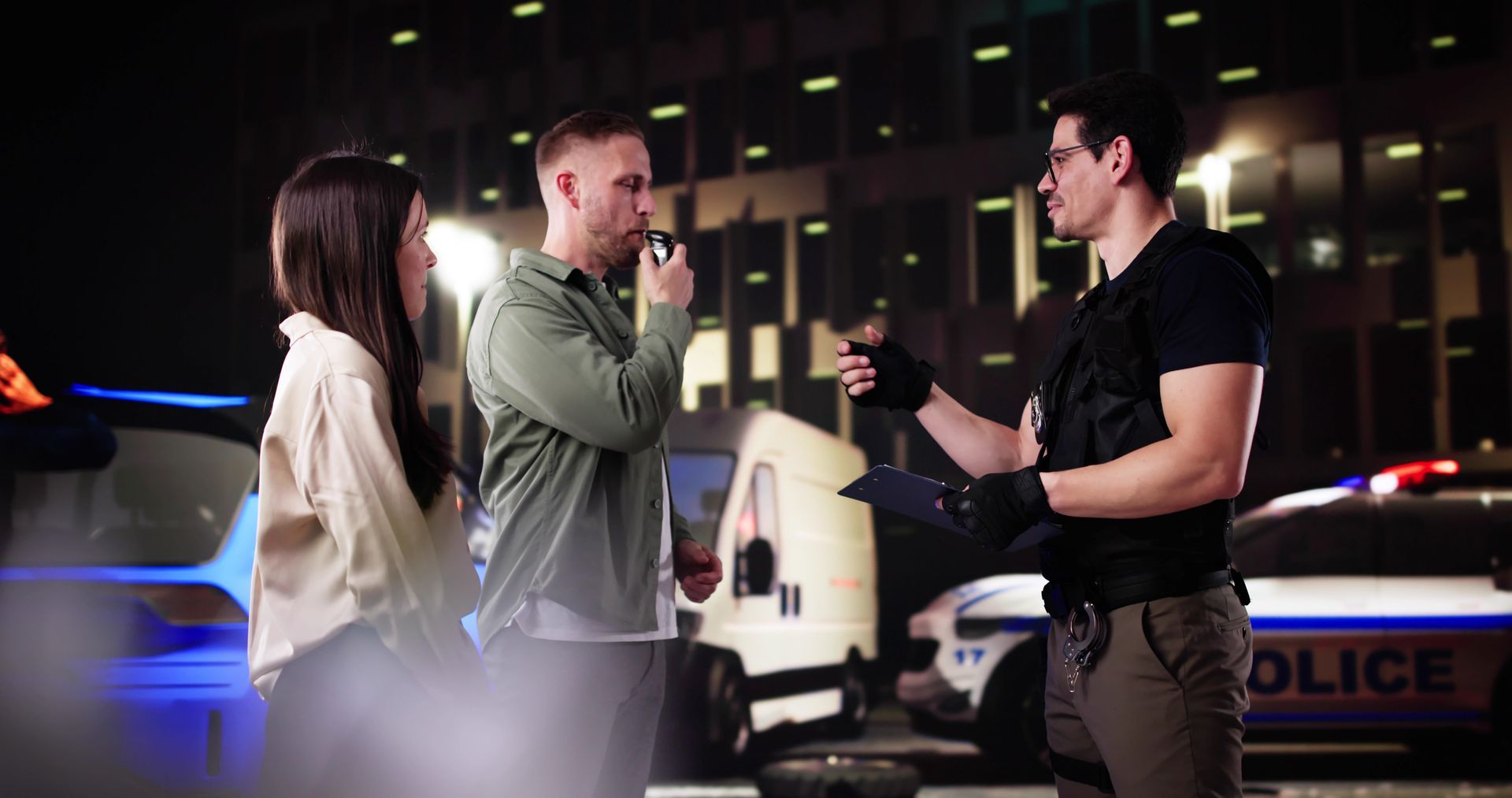
One of the most common ways officers search vehicles during a traffic stop is by asking for permission. An officer might ask questions like:
- “Do you mind if I search your car?”
- “Is there anything illegal in the vehicle?”
- “Can I check the trunk?”
Even drivers who have illegal or sensitive items in their vehicle sometimes consent to a search. In the moment, many people worry that refusing will make them look like they have something to hide or will make the situation worse. Officers are not required to tell drivers they can refuse consent, so some drivers agree without realizing they had the option to decline.
Consent searches must be voluntary, not the result of pressure or threats.
You Can Withdraw Consent Mid-Search
Yes. You can say something like “I no longer consent to this search,” or “I don’t want you searching anymore,” after initially consenting, and officers are technically supposed to stop.
However, withdrawing consent does not invalidate evidence already discovered. If officers find illegal items during the initial consent search, that discovery may give them probable cause to continue searching the vehicle even without your consent.
Searches Based on Probable Cause
Police may search a vehicle without a warrant if they have probable cause to believe evidence of a crime is inside the vehicle. This rule is often called the automobile exception. Probable cause can arise from things such as:
- The odor of drugs or alcohol
- Visible evidence inside the vehicle
- Statements made during the stop
- A K-9 alert
Since recreational marijuana was legalized in Arizona, the odor of marijuana alone generally does not establish probable cause for a search. However, the smell combined with other signs of recent use or impairment may still contribute to probable cause because driving under the influence of marijuana remains illegal.
If probable cause exists, officers may search areas where the suspected evidence could reasonably be located.
Searches After an Arrest
If someone is arrested during a traffic stop, officers may sometimes search parts of the vehicle connected to that arrest. The key question is whether it makes sense that evidence related to the alleged offense could be inside the car.
For example, after a DUI arrest, officers might look for open containers of alcohol or drugs. After a drug arrest they may search for additional narcotics or paraphernalia.
However, if the arrest is for something like a suspended license or an outstanding warrant, there may be little reason to believe evidence of that offense would be inside the car. In those situations, a broader vehicle search may be challenged even after an arrest.
K-9 Sniffs and Drug Dogs During Traffic Stops
Because a dog is sniffing around the outside of a vehicle rather than inside it, courts generally do not treat it as a search requiring a warrant or consent. If a trained dog alerts during a lawful sniff, that alert may give officers probable cause to search the vehicle.
However, a routine traffic stop is only supposed to last as long as reasonably necessary to address the reason for the stop, such as checking documents or writing a citation. The stop cannot be extended solely to wait for a dog without additional legal justification.
Defense attorneys can challenge the stop and any evidence discovered after the K-9 sniff if officers dragged out the traffic stop without legal justification just to give a K-9 unit time to arrive.
A Phoenix Criminal Defense Attorney Can Review the Legality of a Traffic Stop Search
Evidence discovered during a traffic stop may be challenged if:
- Consent was not truly voluntary
- A traffic stop was extended without legal justification
- Officers claimed probable cause without sufficient facts
- The search exceeded the legal scope of the stop or arrest
The legality of a vehicle search often depends on the specific facts of the stop. Even though a defense attorney wasn’t present at the stop, there are still several types of documentation they can use to assess procedure and identify rights violations, including:
- Body camera or dash camera footage
- The timeline of the stop
- Statements made during the encounter
Arizona board-certified criminal law specialist Michael Alarid III can review the circumstances surrounding your stop to determine if suppressible evidence exists in your case. Call (602) 818-3110 for a free consultation.
Practice Areas
RECENT NEWS