How Circumstantial Evidence Can Be Challenged in Arizona Courts
As unfair as it may sound, defendants in Arizona can be prosecuted despite there being no direct testimony or evidence placing them at a scene, and no admission of involvement.
Prosecutors often rely on circumstantial evidence to build their case. Circumstantial evidence is never as strong as direct proof, but how it’s framed by prosecutors and defense attorneys, and how it’s perceived by jurors, can swing the outcome of criminal cases in Arizona.
What Is Circumstantial Evidence?
Circumstantial evidence refers to facts that don’t directly prove a criminal action but suggest it by inference. For example:
- A fingerprint found near the scene of a burglary doesn’t prove a defendant committed the crime, but it suggests they were present.
- Text messages that establish a defendant planned a meeting prior to an alleged crime don’t prove that they committed the crime, but they may suggest opportunity or intent.
- A defendant spending a large amount of cash shortly after a robbery occurred is not proof the money came from the robbery, but jurors may infer the robbery was the source of that cash.
This contrasts with direct evidence, such as an eyewitness identifying a defendant, video or audio evidence that clearly shows the defendant committing the crime, or a confession.
Arizona courts do not treat one type of evidence as inherently superior. A conviction can be based entirely on circumstantial evidence if that evidence, taken together, convinces a jury beyond a reasonable doubt of a defendant’s guilt.
In practice, juries in Arizona are often instructed to weigh circumstantial and direct evidence equally, but there can be significant differences in the strength of circumstantial evidence.
For example, a defendant’s fingerprint in a house that was burglarized may be more convincing than a vague text message sent to a friend.
However, jurors don’t always make that distinction in their reasoning. A chain of circumstantial facts can feel to a layperson like a straight line to guilt, even when reasonable alternative explanations exist.
Examples of Circumstantial Evidence
Physical Evidence Without a Witness
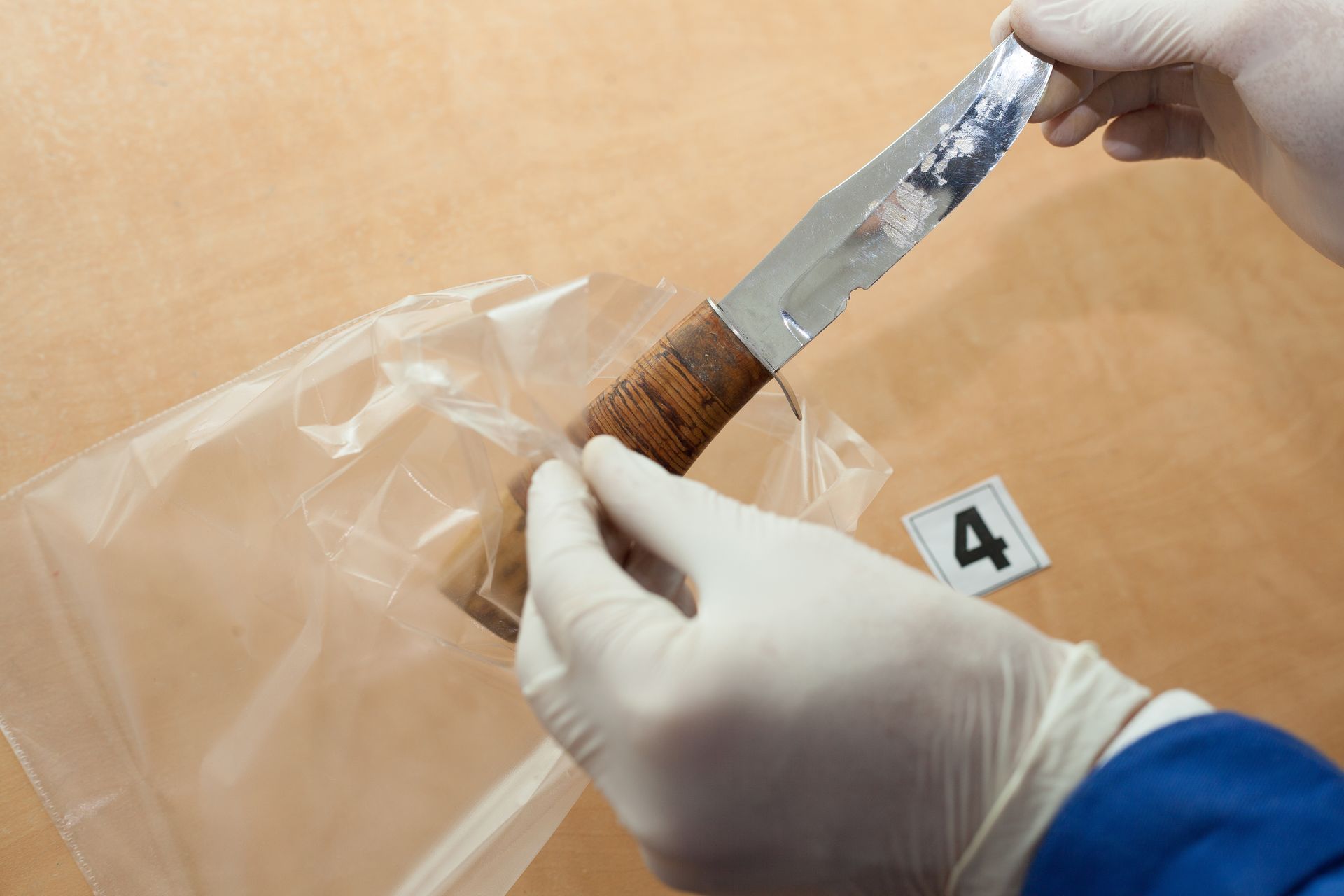
Fingerprints, DNA, or gunshot residue don’t speak for themselves. They must be connected to an event through inference. Even security camera footage of a crime can be circumstantial if the identity of the perpetrator is obscured in any way.
Any evidence that requires jurors to make inferences regarding when, how, or why evidence got somewhere is inherently circumstantial.
Behavioral Evidence
Actions such as fleeing from police, making inconsistent statements, or attempting to hide something can be interpreted as consciousness of guilt. However, behavior that looks suspicious on its face can often have innocent explanations.
Opportunity or Motive
Being in the area or having a reason to be angry with someone doesn’t prove you committed a crime. It’s circumstantial because it suggests why a defendant might have done it, not that they did.
Possession Evidence
Possession of stolen property or tools can imply involvement in a crime, but possession alone doesn’t prove when, where, or how the item was obtained.
Challenging Circumstantial Evidence in Court
Prosecutors stitch circumstantial evidence together to form a narrative that points to one conclusion. A criminal defense attorney’s job is to show that the same facts could support alternate explanations that raise reasonable doubt.
Potential Ways to Establish Reasonable Doubt
Highlighting Alternative Explanations
The most basic and dependable approach to establishing reasonable doubt is presenting a feasible alternative explanation to the when, why, and how of circumstantial evidence.
For example, being near a crime scene doesn’t prove involvement if there’s a legitimate reason you were in that location.
Undermining Prosecution Assumptions
Many circumstantial theories rely on assumptions. Defense attorneys challenge these assumptions by exposing gaps in the logic the prosecution uses to connect the dots.
Expert Testimony and Context
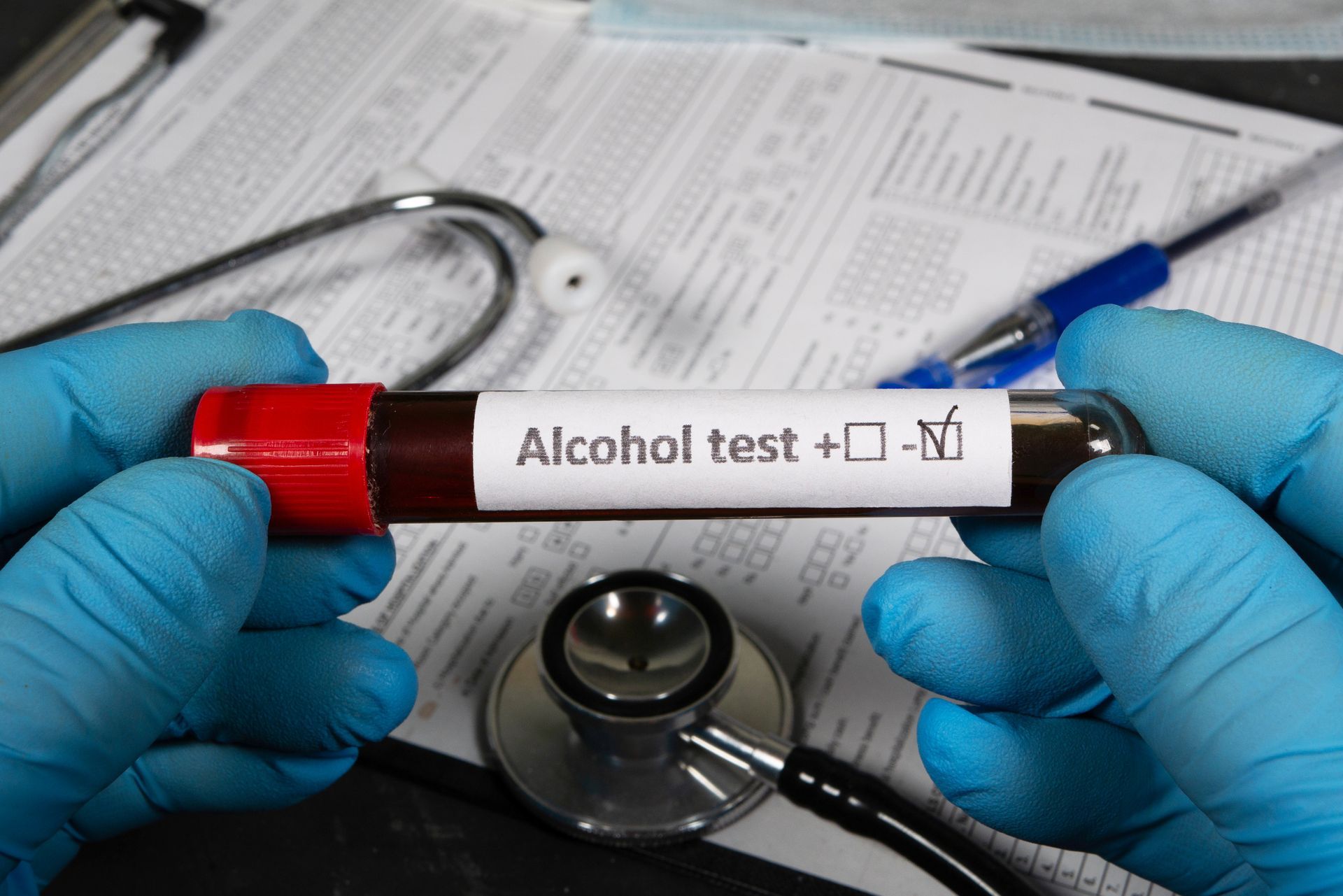
Experts in forensics, psychology, or technology can help jurors understand the limits of evidence. For instance, experts might explain how environmental contamination affects DNA results, the inherent unreliability of field sobriety testing, or how GPS data can be inaccurate.
Questioning Evidence Reliability
Chain of custody, scientific reliability, and how evidence was collected or interpreted can all be contested. Circumstantial evidence is only as strong as the methods used to obtain it.
Why Juries Can Be Persuaded by Circumstantial Evidence
One challenge with circumstantial evidence is how it feels to a jury. Prosecutors often use narrative storytelling that makes a sequence of inferences seem like common sense.
Jurors may not distinguish between “this suggests that” and “this proves that.” Without clear defense framing, jurors may overvalue circumstantial patterns.
That’s why criminal defense attorneys repeatedly explain that inference is not proof during jury selection and closing arguments. In order for reasonable doubt to be established, jurors need to understand that a convenient narrative based on circumstantial evidence is only a theory, even when available facts point strongly in one direction.
Arizona Courts Allow Convictions Based on Circumstantial Proof, But With Limits
Arizona law accepts circumstantial evidence as long as it satisfies the highest criminal standard: proof beyond a reasonable doubt. There is no rule against convicting someone using only circumstantial evidence, and appellate courts routinely uphold convictions grounded in it.
However, circumstantial cases are still more vulnerable to rigorous defense challenges than those built on direct evidence. Because every link in the chain depends on an inference, breaking a single logical link can introduce reasonable doubt.
Why Circumstantial Evidence Can Be So Damaging to Your Case
Circumstantial evidence can be deeply persuasive when jurors see multiple pieces pointing in the same direction. Even without a “smoking gun,” a combination of fingerprints, motive, opportunity, and behavior can create a powerful narrative in the courtroom.
At the same time, circumstantial evidence can be misleading if taken at face value. Behavior that looks suspicious may have innocent explanations. Scientific or digital evidence may be subject to error or misinterpretation.
Unfortunately, jurors may not naturally understand the difference between inference and direct proof. That’s where experienced criminal defense attorneys matter most. They reframe the evidence, provide alternative narratives, and translate uncertainty into reasonable doubt before a judge or jury.
If you’d like to discuss the evidence in your case with an Arizona Board-Certified Criminal Defense Attorney, call Michael Alarid III at (602) 818-3110 for a free case evaluation.
Practice Areas
RECENT NEWS