What Happens When the State Violates Disclosure Rules in Arizona Criminal Cases
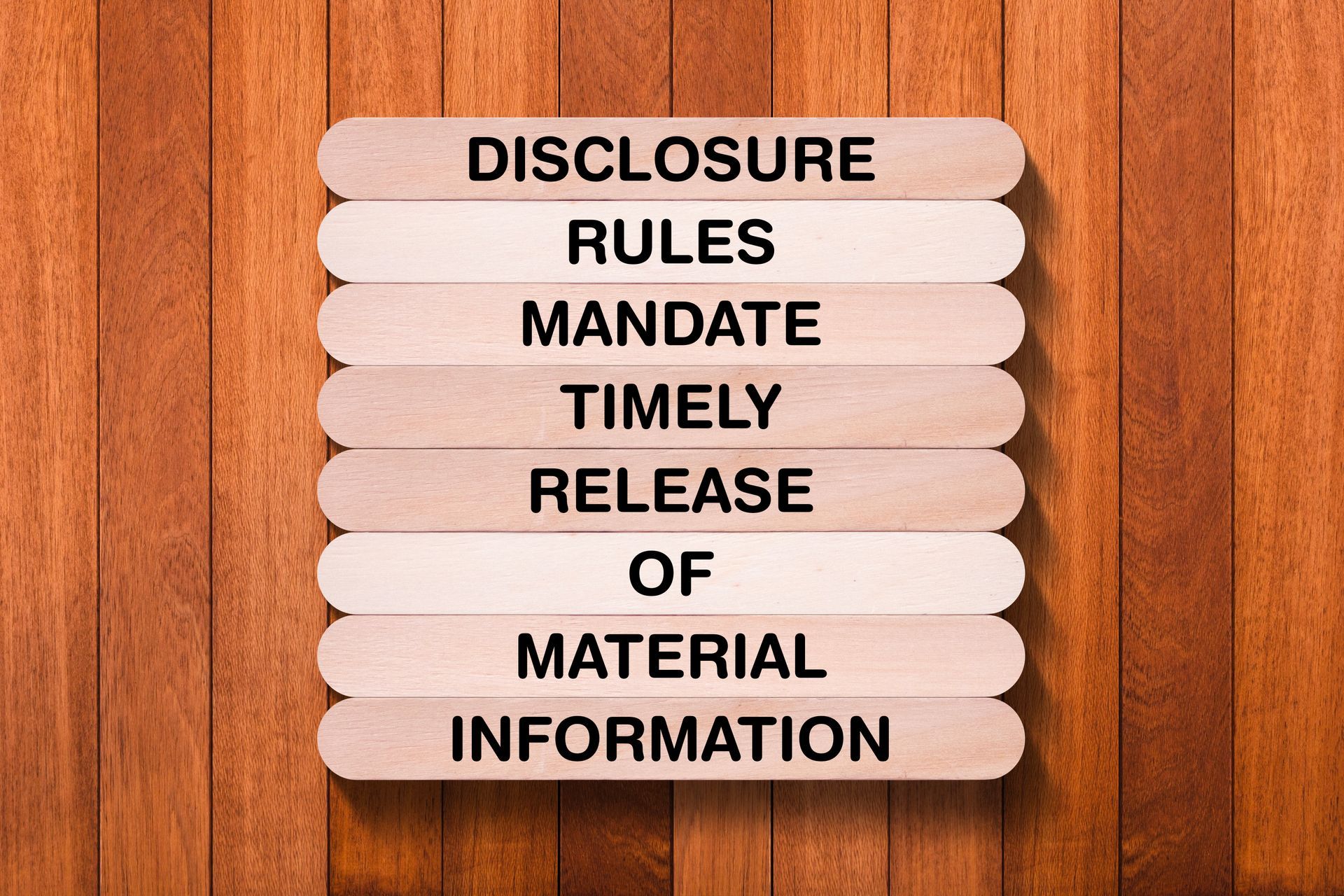
Under the Arizona Rules of Criminal Procedure, the state must share certain material with the defense at specified times.
Rule 15.1 specifically outlines what the prosecution must disclose and when. It requires the prosecutor to turn over:
- Police reports
- Witness information
- Other material evidence
This is not a one-time obligation at the start of the process. Disclosure requirements begin early in the case and continue as new information becomes available.
Brady v. Maryland and the State’s Constitutional Duty
In Brady v. Maryland, the United States Supreme Court held that the government must disclose exculpatory evidence. In other words, if the prosecution has evidence that might provide mitigating context, or information that could call into question the state’s version of events, they are required to hand it over to the defense, even if it hurts the state’s case.
This constitutional rule includes written reports, witness statements showing bias, deals with witnesses, and other information that could undercut the credibility of the prosecution’s case.
The duty applies to all evidence, including any your defense attorney doesn’t explicitly request.
When Evidence Must be Disclosed in Arizona Cases
- Initial Disclosure: The prosecution generally must provide initial discovery early, often by the arraignment or preliminary hearing, depending on the charge and court.
- Supplemental and Rolling Disclosure: The prosecutor must supplement what has already been disclosed when additional evidence is found or developed. This obligation continues through trial, and in cases involving exculpatory material, constitutional duties may extend beyond conviction.
Courts often set deadlines for final disclosure before trial. In practice, all discovery usually must be completed well before the trial date. Although judges have some discretion in how they manage their calendars, most require final disclosure about 30 days before trial.
The goal is to ensure the defense has a meaningful opportunity to review evidence, interview witnesses, and prepare for cross-examination.
Do the Same Rules Apply to the Defense’s Evidence?
Yes, but with important limits. Defense attorneys must share information about witnesses they plan to call, expert reports, and certain physical evidence.
However, they are not required to disclose anything that incriminates their client, or that would violate constitutional protections.
The burden is on the state to prove guilt beyond a reasonable doubt, not on the defense to disprove it.
Common Disclosure Violations
Withholding Exculpatory Evidence
Despite how long Brady v. Maryland has been law, violations still happen, sometimes unintentionally. In many cases, violations aren’t uncovered until after trial, but even then, they can provide critical grounds for appeal or post-conviction relief.
Delayed Production of Material Evidence
When evidence is disclosed so late that the defense can’t meaningfully use it, such as witness statements or forensic reports produced on the eve of trial, it can undermine the defendant’s ability to respond. While late-emerging evidence isn’t automatically barred, prosecutors must take steps to ensure its use doesn’t prejudice the defense or violate due process.
Undisclosed Witness Information
If the state fails to share its witness list or provide prior statements from its witnesses early enough, the defense may not have enough time to thoroughly investigate, prepare cross-examination, or challenge witness credibility. This kind of late disclosure can lead to requests for a continuance, exclusion of the witness, or even a mistrial if the violation is particularly severe.
Failure to Disclose Expert or Physical Evidence
Lab reports, body camera footage, surveillance video, and other physical evidence must be disclosed under Arizona’s pretrial deadlines. If they’re withheld or dumped on the defense too close to trial, it can impair the defense’s ability to retain its own experts, test the evidence independently, or effectively respond in court.
How Defense Attorneys Respond When Violations Occur
There are specific motions a criminal defense attorney can bring if they know or suspect a disclosure violation has occurred:
- Motion to Compel or Sanction: Defense counsel can ask the court to order the prosecutor to produce the evidence and impose consequences for not complying with disclosure rules.
- Motion to Exclude Evidence: If the state fails to disclose evidence in a timely manner, an attorney can argue that the late material should be excluded from trial.
- Motion for Continuance: When new evidence arrives late, counsel may request more time to prepare so that the defense isn’t prejudiced by last‑minute disclosure.
- Motion for Mistrial: In extreme cases, where the prejudice cannot be cured by other means, defense counsel can ask the court to declare a mistrial. A mistrial ends the proceedings without a verdict and may require the case to be retried.
What Happens to Your Case If a Motion Is Successful
If a court agrees that the state violated disclosure rules, several outcomes are possible:
- Evidence Suppressed: The court may refuse to allow the state to use the undisclosed material at trial.
- Witnesses Barred: In some cases, witnesses whose identities or statements were hidden may be barred from testifying.
- Mistrial Granted: If the prejudice to the defense is too great, the judge may order a mistrial.
- Dismissal or Reduced Charges: In rare instances when violations are egregious or compromise the foundation of the prosecution’s case, the court may dismiss charges or limit the state’s case.
The Role of a Criminal Defense Attorney in Safeguarding Your Rights to Full Disclosure
A seasoned defense attorney doesn’t just know the law; they know the local courts, prosecutors, and how discovery issues tend to play out in practice. That kind of experience helps them anticipate where problems are likely to arise and act quickly when something doesn’t look right.
Arizona Board-Certified Criminal Defense Attorney Michael Alarid III takes disclosure seriously and acts swiftly and aggressively if he suspects violations. Call (602) 818-3110 for a free case evaluation with a local attorney who will fight for you.
Practice Areas
RECENT NEWS