Can a DUI Breath Test Be Challenged in Arizona?
Have you ever weighed yourself on two different scales and gotten two different results?
Devices designed to provide quick measurements can produce slightly different results under different conditions. Although modern breath-testing devices are sophisticated, they aren't infallible.
A breath test result can be influenced by the testing procedure, the condition of the device, and the circumstances surrounding the test itself.
That doesn't mean every elevated breath test result is inaccurate, but they are not automatically beyond challenge.
How Does a DUI Breath Test Work?
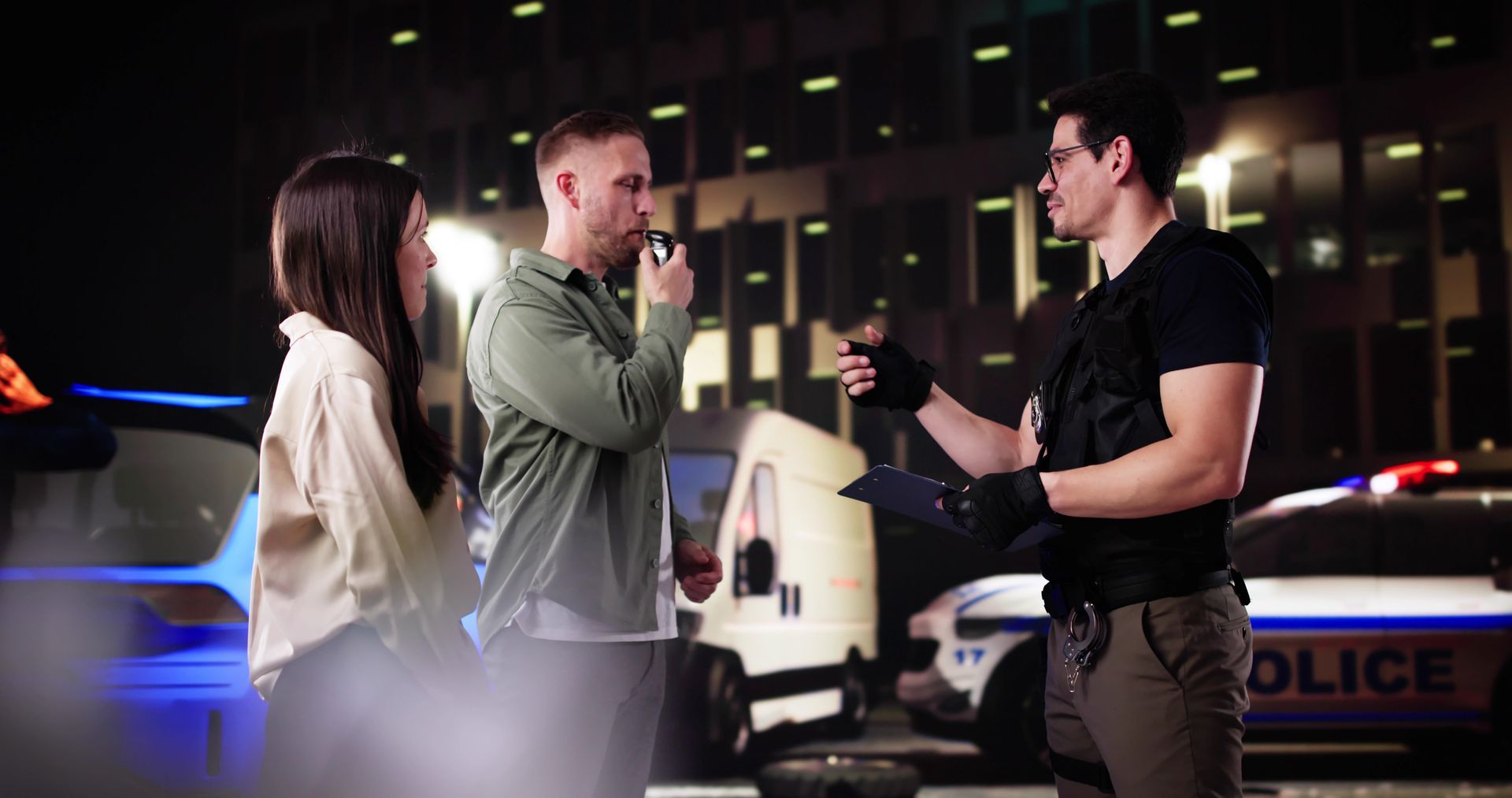
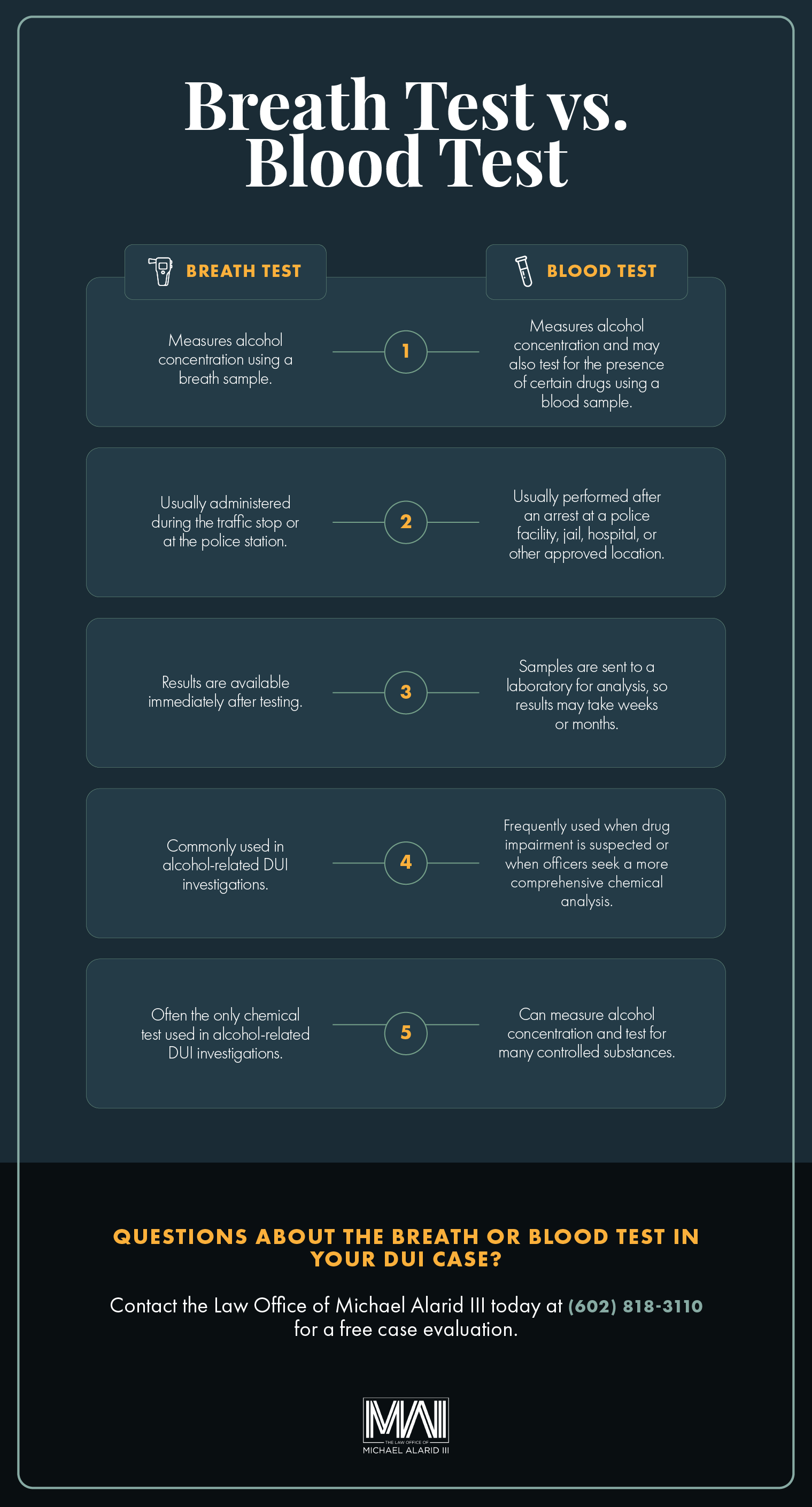
Breath-testing devices estimate a driver's blood alcohol concentration by analyzing a sample of breath. The alcohol detected in the breath is then converted into an estimated BAC reading.
The process is relatively straightforward, but obtaining a reliable result depends on much more than simply having a driver blow into a testing device.
Arizona law enforcement officers are trained to follow established procedures designed to improve the reliability of breath testing. When questions arise about the accuracy of a result, attorneys may review both the device itself and the procedures used during the investigation.
Individual Factors Can Affect Breath Test Results
Because breath-testing devices estimate blood alcohol concentration rather than measuring it directly, several variables may influence the result, including:
- Body temperature
- Breath temperature
- Certain medical conditions
- The manner in which the breath sample was provided
A DUI defense attorney may review these factors alongside the testing records to determine whether additional investigation into the accuracy of the reported BAC is warranted.
The Observation Period Is an Important Part of Breath Testing
Officers should not immediately administer a breath test after making a traffic stop.
Before testing begins, officers are trained to observe the driver for a period of time to help ensure that outside factors don't influence the results.
During that period, officers may watch for activities that could affect the breath sample, including:
- Eating
- Drinking
- Smoking
- Vomiting
- Burping or regurgitation
The purpose of the observation period is to reduce the possibility that alcohol remaining in the mouth rather than alcohol absorbed into the bloodstream could influence the test.
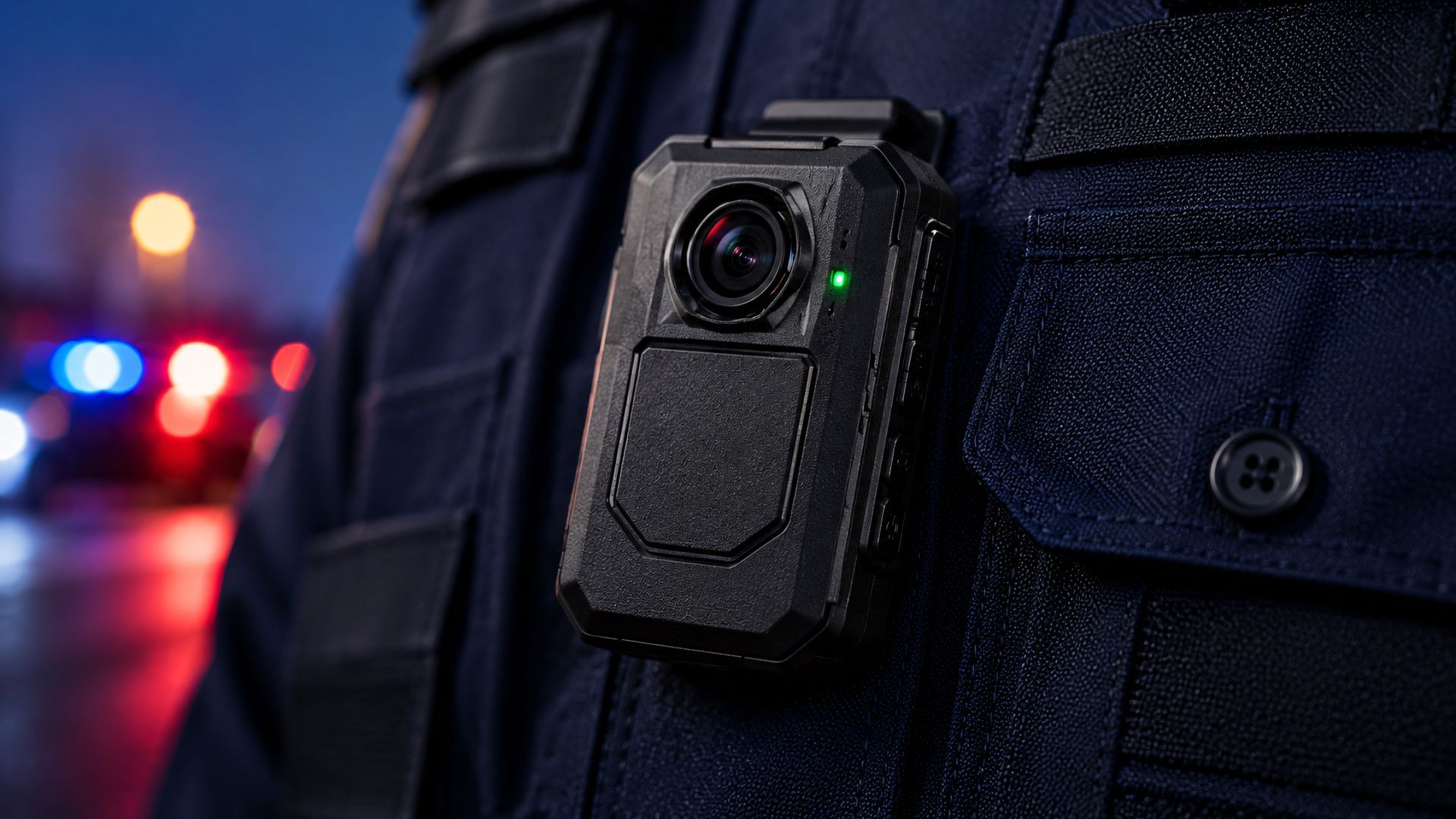
Attorneys may review police reports, body-camera footage, and other records to determine whether the observation period was properly completed.
What Is Mouth Alcohol?
Breath tests are designed to measure alcohol that has been absorbed into the bloodstream and exchanged through the lungs.
Mouth alcohol refers to alcohol that remains in the mouth or upper digestive tract rather than the lungs.
Several factors can contribute to mouth alcohol, including:
- Recent alcohol consumption
- Vomiting
- Acid reflux
- Gastroesophageal reflux disease (GERD)
Because breath-testing devices aren't designed to measure alcohol from these sources, attorneys may examine whether any medical conditions or events occurring shortly before the test could have influenced the results.
Breath-Testing Devices Require Regular Maintenance and Calibration
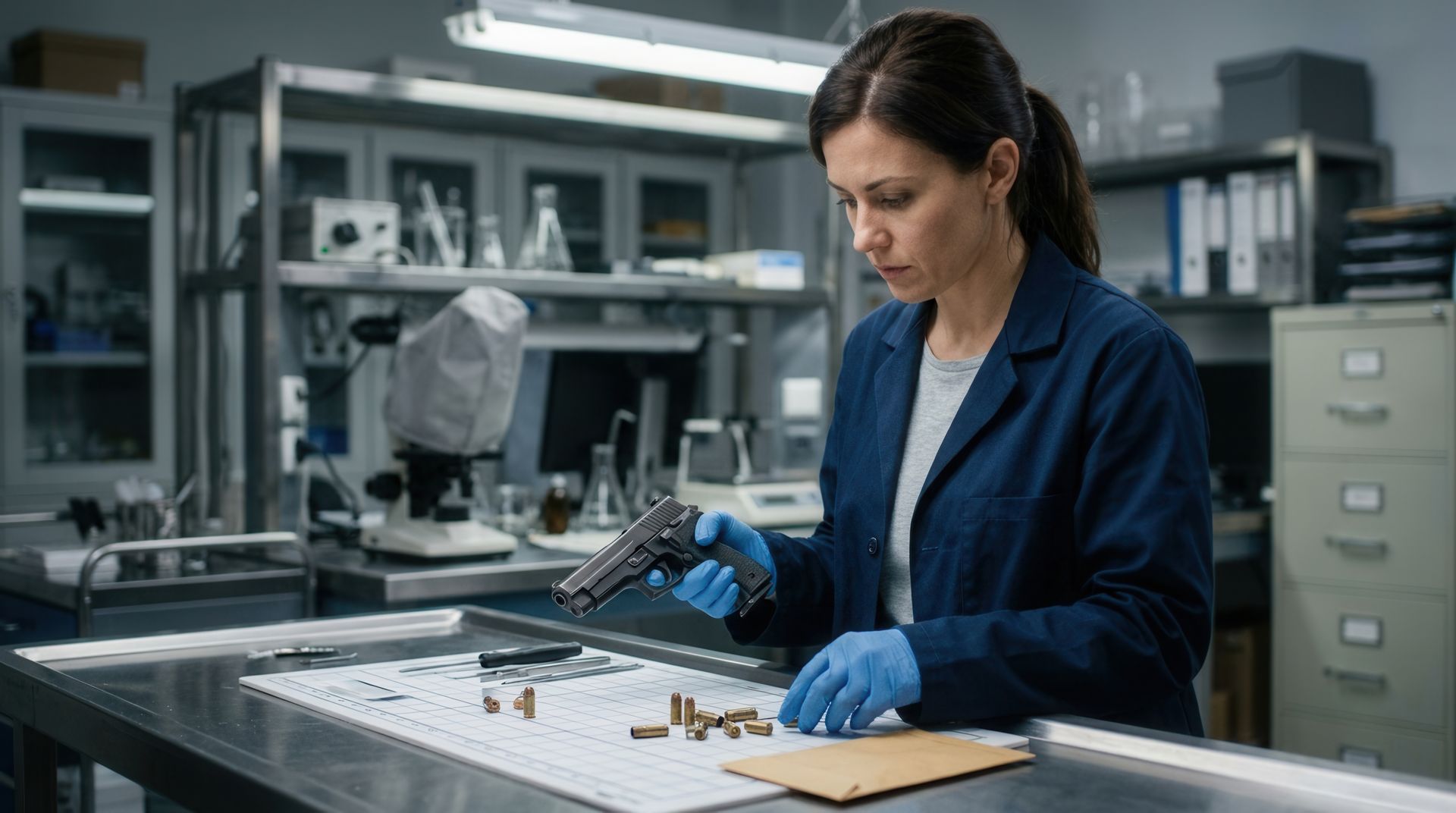
Breath-testing devices are forensic instruments that require regular maintenance and testing. Records that may be reviewed include:
- Calibration records
- Maintenance logs
- Service records
- Performance checks
- Testing documentation
Calibration is particularly important because it helps confirm that the device continues to produce accurate measurements over time.
DUI defense attorneys may review these records to determine whether the device was functioning properly when the breath sample was collected.
A High Breath Test Result Does Not Make the Rest of the Case Irrelevant
A breath test BAC result, even one that’s well above the legal limit, should not be viewed in isolation.
The reliability of the result depends on the device functioning properly, the required procedures being followed, and the test being administered under appropriate conditions. If any part of that process is questionable, the reported BAC may deserve closer scrutiny.
Michael Alarid III is an Arizona Board-Certified Specialist in Criminal Law and is Board-Certified in DUI Defense through the National College for DUI Defense (NCDD). If you're facing DUI charges in Phoenix and want to discuss how breath-test evidence may affect your case, call (602) 818-3110 for a free case evaluation.
Practice Areas
RECENT NEWS