Can a DUI Blood Test Be Challenged in Arizona?
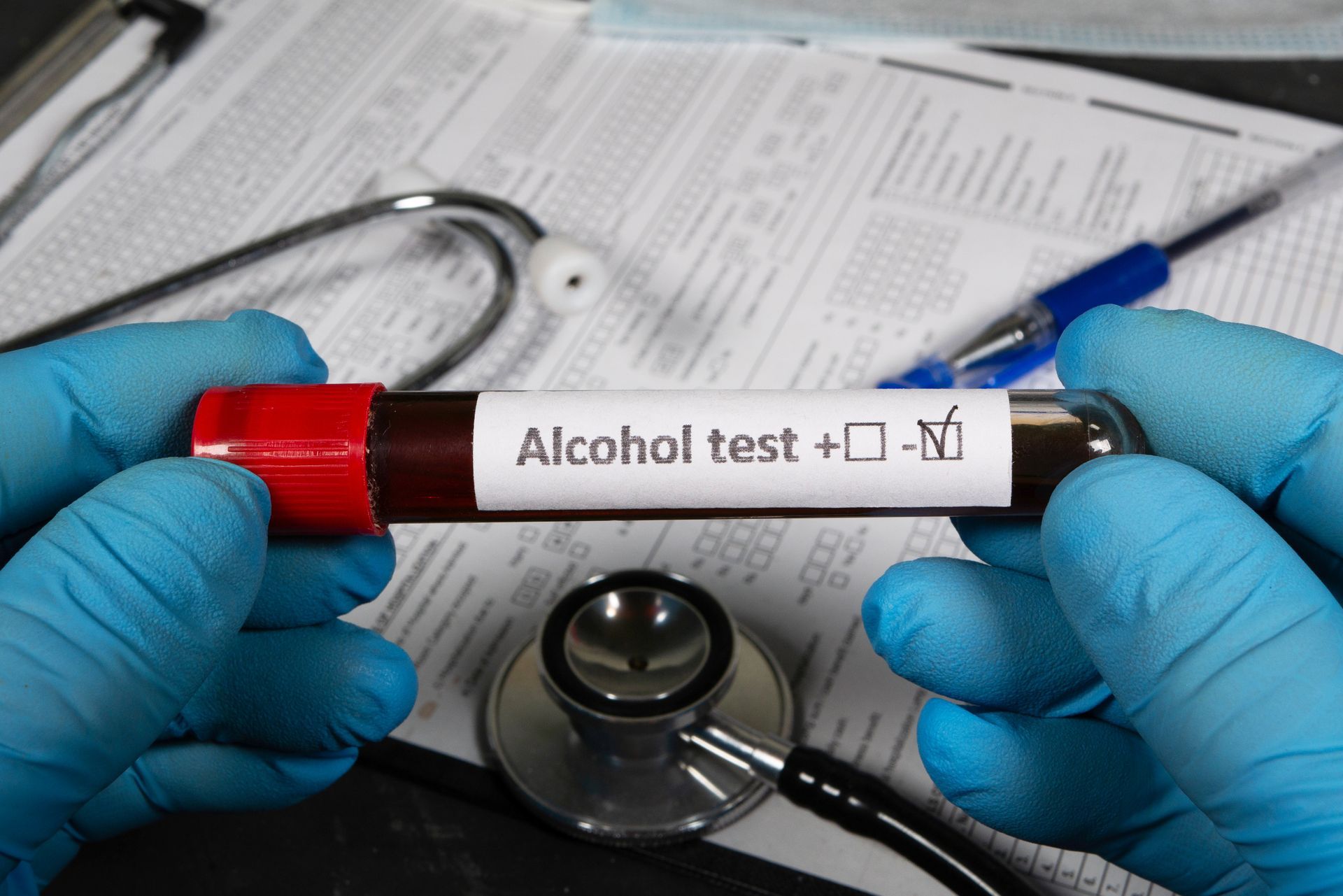
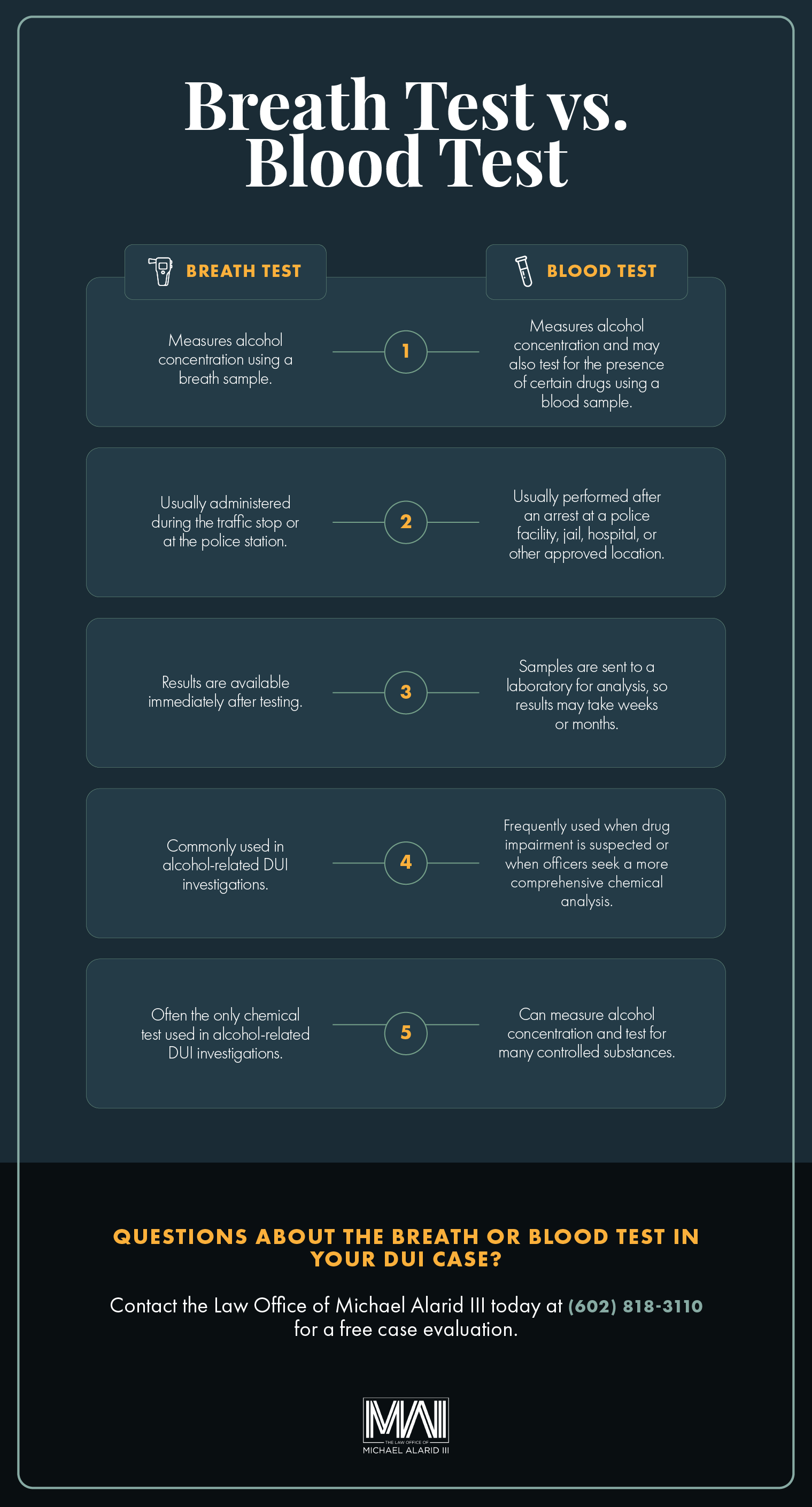
Blood testing is commonly used in both alcohol and drug DUI investigations in Arizona, but a positive test result does not necessarily determine the outcome of a case.
Depending on the circumstances, the collection, handling, storage, or laboratory analysis of a blood sample may create grounds to challenge the reliability or admissibility of the evidence.
How Blood Samples Become Evidence in Arizona DUI Cases
The process typically includes:
- Blood collection
- Labeling and documentation
- Transportation
- Storage
- Laboratory analysis
- Reporting of the results
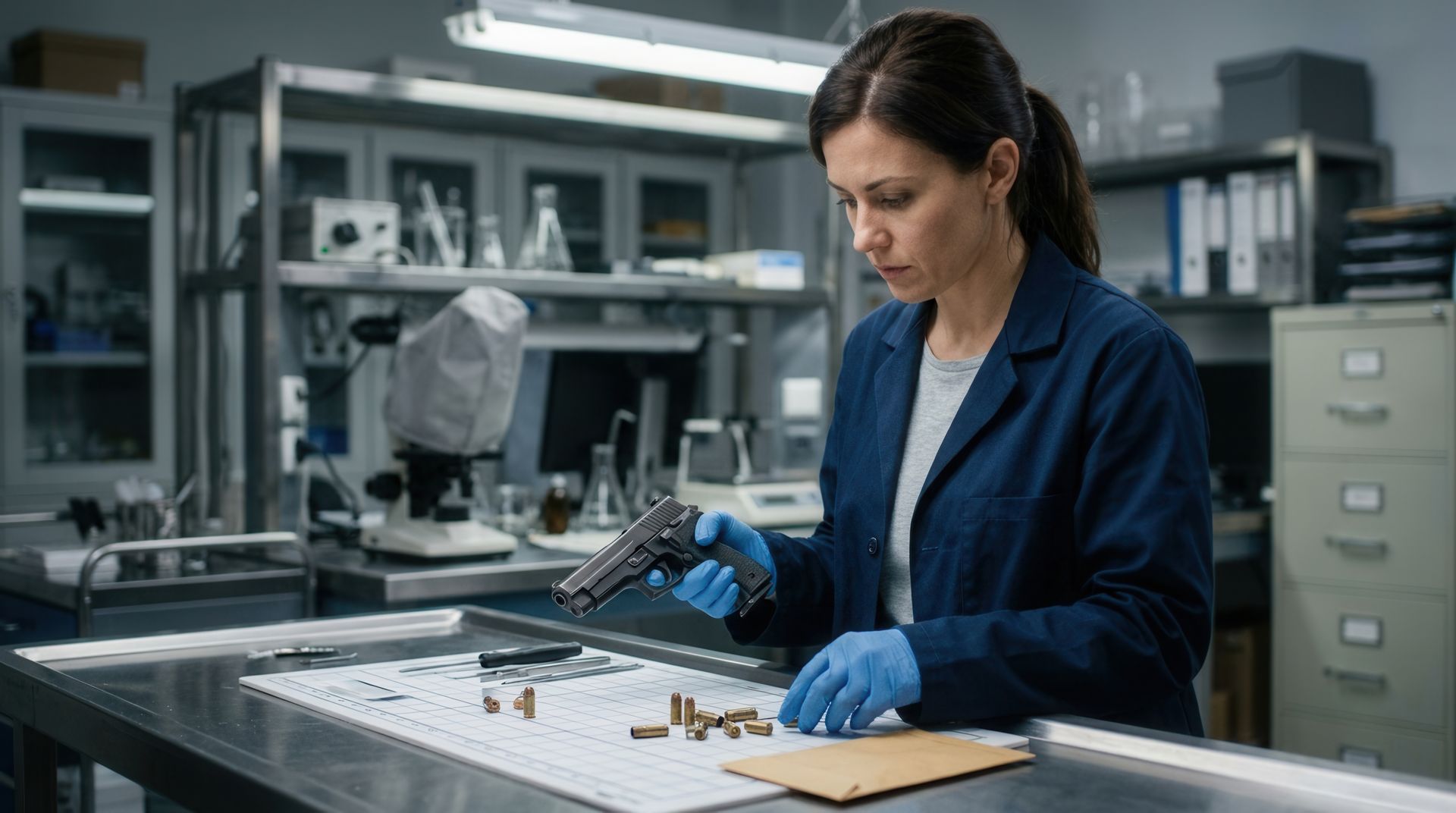
Each step creates records that may later become part of the evidence in a DUI case. Attorneys often review these records to understand how the sample was handled and whether all required procedures were followed.
The Blood Draw Itself May Be Reviewed
The blood draw is usually one of the first areas examined by the defense. Questions that may be considered include:
- Who collected the sample?
- Were the proper collection procedures followed?
- Was the sample properly documented?
- Were the appropriate collection materials used?
The answers to these questions do not automatically determine whether the evidence is admissible. However, they can help establish whether additional investigation is necessary.
What Is Chain of Custody?
Chain of custody refers to the documented history of evidence from the moment it is collected until it is presented in court. In a DUI case, that record helps establish who handled the blood sample, where it was kept, and when it changed hands.
Documentation may include:
- Labels placed on the blood tubes or collection kit
- Evidence seals
- Collection forms
- Property-room records
- Transfer logs
- Laboratory intake records
Those records may show when the sample was collected, who collected or received it, when it entered evidence storage, when it was transported to the laboratory, and who ultimately tested it.
A potential chain-of-custody issue might involve:
- A blood tube carrying identifying information that does not match other records
- A missing signature or transfer entry
- Conflicting dates or times
- A broken or unexplained evidence seal
- A period when the records do not clearly show where the sample was stored or who had custody of it
Gaps or inconsistencies do not automatically make the blood test inadmissible or require DUI charges to be dismissed. However, the more significant the discrepancy, the more reason a defense attorney may have to question whether the sample tested by the laboratory can be reliably tied to the sample originally collected from the driver.
Storage and Laboratory Procedures Can Also Be Examined
Blood is biological evidence, which means proper handling procedures are important throughout the testing process. An attorney may review:
- Storage records
- Transportation procedures
- Laboratory protocols
- Equipment maintenance records
- Testing procedures
- Quality control documentation
Laboratories follow established procedures when analyzing blood samples, but the defense may still examine whether those procedures were properly followed in a specific case.
A DUI Blood Test Is Only One Piece of the Evidence
Prosecutors do not rely exclusively on blood test results when pursuing DUI charges. For example, in a marijuana DUI case, a positive blood test typically cannot establish by itself whether a driver was impaired at the time of the traffic stop. Prosecutors often rely on additional evidence such as:
- Driving behavior
- Statements made during the stop
- Officer observations
- Field sobriety tests
- Witness testimony
Scientific evidence can be particularly powerful in DUI cases because it may establish that drugs or alcohol were present in a person's system. However, even if laboratory procedures were properly followed and the chain of custody remained intact throughout the testing process, a blood test alone cannot establish every element of the state's case.
For example, blood test results cannot determine whether the initial stop was justified, whether law enforcement followed the proper investigative procedures, or whether a driver's constitutional rights were protected throughout the investigation.
Michael Alarid III is an Arizona Board-Certified Specialist in Criminal Law and is Board-Certified in DUI Defense through the National College for DUI Defense (NCDD). He has even argued before the Arizona Supreme Court on issues involving drug DUI evidence.
If you're facing DUI charges in Phoenix and want to consult with an attorney who has extensive experience handling complex DUI cases, call (602) 818-3110.
Practice Areas
RECENT NEWS