Can Prosecutors Use Your Past Against You in an Arizona Criminal Case?
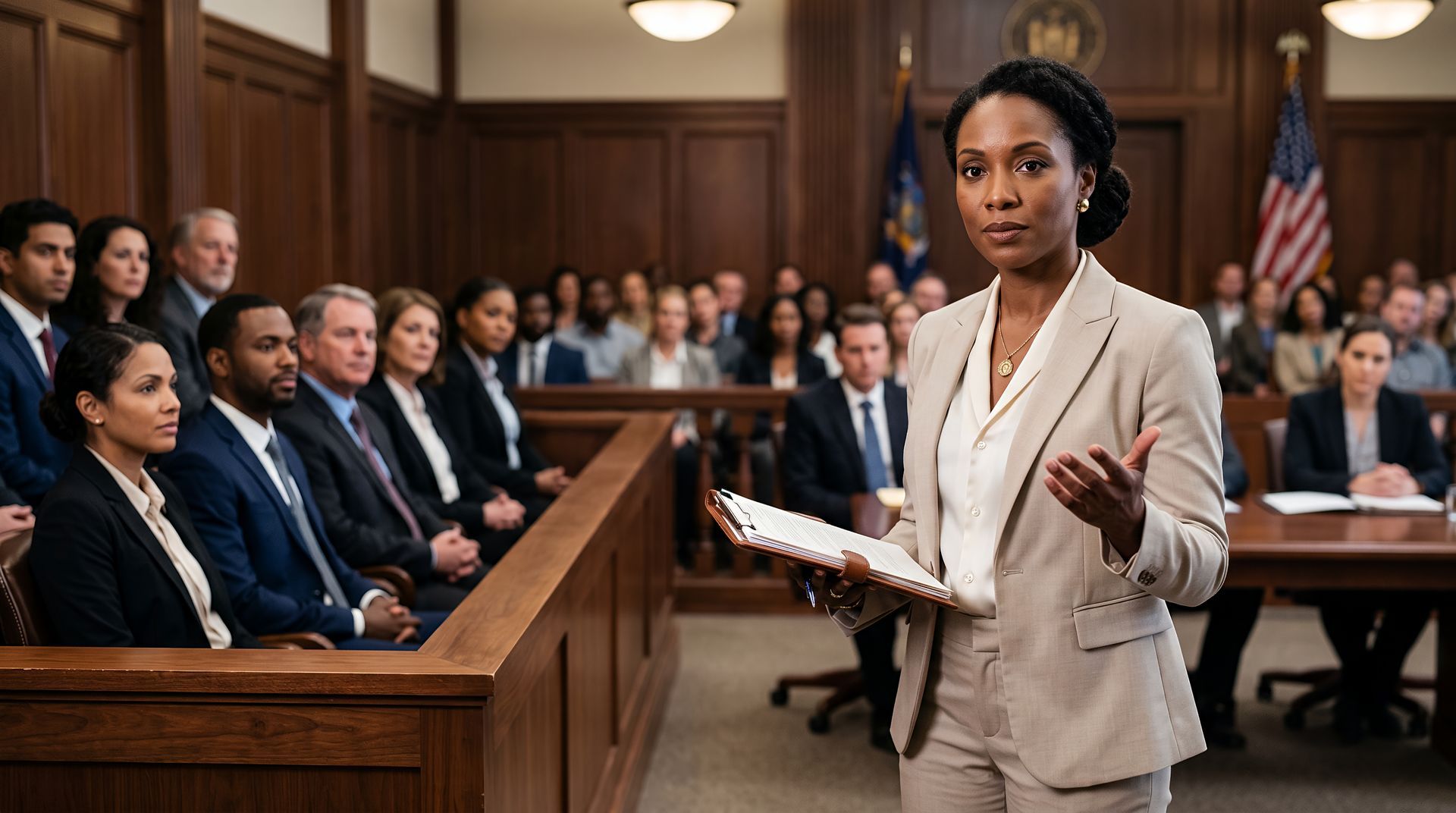
Arizona courts generally restrict prosecutors from using prior conduct simply to argue that someone has a bad character or is the type of person who would commit the charged offense. However, prior acts can sometimes become relevant when they help establish something specific about the current case, such as intent, knowledge, motive, identity, or whether the defendant’s conduct was accidental.
A defendant’s criminal history may also matter outside the jury’s presence, particularly during plea negotiations and sentencing.
Will the Jury Hear About Your Criminal Record?
Not necessarily.
Under Arizona Rule of Evidence 404(b), evidence of another crime, wrong, or act generally cannot be introduced simply to suggest that a defendant is the kind of person who would commit the current offense.
Becoming a juror does not make someone immune from ordinary human assumptions and biases. There’s a real risk that their view of the case or the defendant can be tainted if they receive an in-depth history lesson about the defendant’s criminal record and past convictions.
That does not mean prior conduct is always excluded. Prosecutors may sometimes seek to introduce it for another relevant purpose.
When Can Prior Bad Acts Be Used?
Rule 404(b) allows prior conduct to be considered for certain purposes, including motive, intent, knowledge, identity, preparation, plan, or absence of mistake.
For example, if a defendant claims they unknowingly had drugs in the trunk of their car, prosecutors may argue that a prior conviction for involvement in a highly similar drug-transportation scheme helps establish knowledge or intent.
The judge still has to decide whether the jury should be allowed to hear about the prior conduct. Even if it is relevant, the court may exclude it if it could unfairly influence the jury more than it helps explain an issue in the current case.
The result depends heavily on why prosecutors want to introduce the evidence and how closely it relates to an issue the jury must decide.
What If You Testify in Your Own Defense?
Taking the stand can create a separate issue involving prior convictions.
Arizona Rule of Evidence 609 allows certain criminal convictions to be used to challenge a witness’s credibility under specific circumstances.
That does not necessarily mean the prosecutor can tell the jury every detail of every conviction. The court may consider factors such as the type of offense, how old the conviction is, and the potential for unfair prejudice.
For defendants with criminal records, the possibility that prior convictions could be used for impeachment can become an important factor in deciding whether testifying is strategically worthwhile.
Can Your Past Affect a Plea Offer Even If the Jury Never Hears About It?
Yes, because plea negotiations operate differently from a jury trial and aren’t subject to the same rules.
Prosecutors generally know a defendant’s criminal history before trial and can consider it when negotiating a plea agreement. Prior felony convictions may also increase the potential sentence the defendant faces if convicted, which can affect both the prosecution’s offer and the defendant’s decision about whether to accept it.
The number, nature, and age of prior convictions may matter, along with the seriousness of the current offense, the strength of the evidence, and other circumstances surrounding the case.
How Can a Defense Attorney Challenge the Use of Prior Conduct?
A defense attorney can review exactly what prosecutors want to introduce and why. That may involve:
- Challenging evidence offered primarily to suggest bad character
- Arguing that prior conduct has little relevance to the current charge
- Raising concerns about unfair prejudice
- Asking the court to rule on admissibility before trial
- Evaluating how prior convictions actually affect sentencing exposure and plea negotiations
If you are facing criminal charges in Phoenix and are concerned about how prior arrests, convictions, or allegations could affect your case, the Law Office of Michael Alarid III can review your criminal history, the current charges, and the prosecution’s evidence to determine how those issues may come into play. Call (602) 818-3110 to schedule a free case evaluation.
Practice Areas
RECENT NEWS