Can the Prosecution Use Statements You Made Before You Were Arrested?
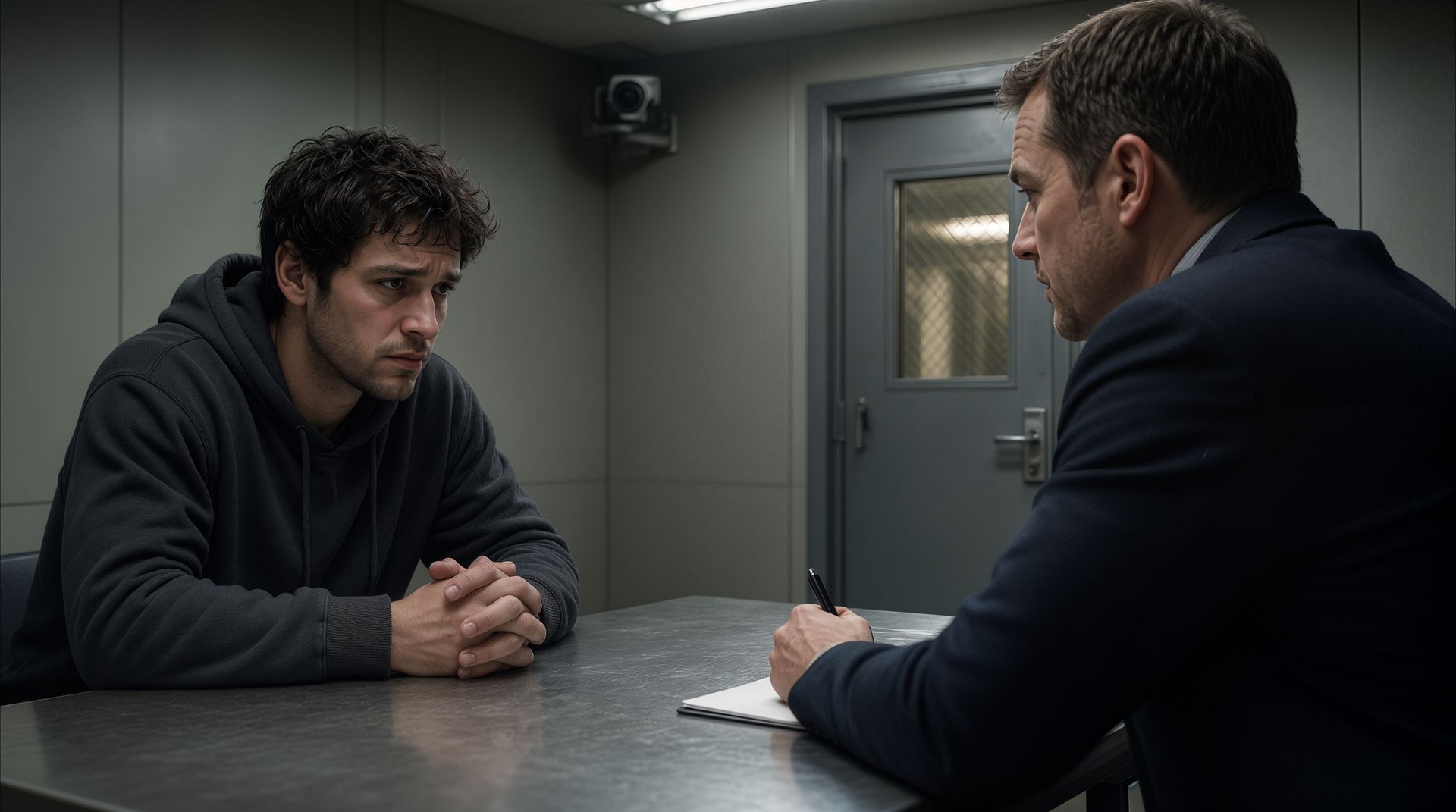
Yes. Statements you make to police before being arrested can potentially be used against you in an Arizona criminal case, even if officers never read you your Miranda rights.
Statements made during traffic stops, at the scene of an incident, or during voluntary conversations with investigators may all become evidence. Whether those statements are admissible depends on the circumstances in which they were obtained.
The key distinction is that Miranda protections generally apply to custodial interrogation, not every interaction with law enforcement.
Do Police Have to Read You Your Miranda Rights Before Asking Questions?
Being suspected of a crime or questioned by an officer does not automatically mean you are in custody.
For Miranda purposes, a person is considered to be in custody if they have been arrested or are being held under conditions similar to an arrest.
Conversely, police do not necessarily have to provide Miranda warnings immediately after an arrest unless they intend to conduct an interrogation.
What Types of Pre-Arrest Statements Can Be Used as Evidence?
Prosecutors may seek to introduce statements such as:
- Answers given to officers responding to an incident
- Statements made during voluntary police interviews
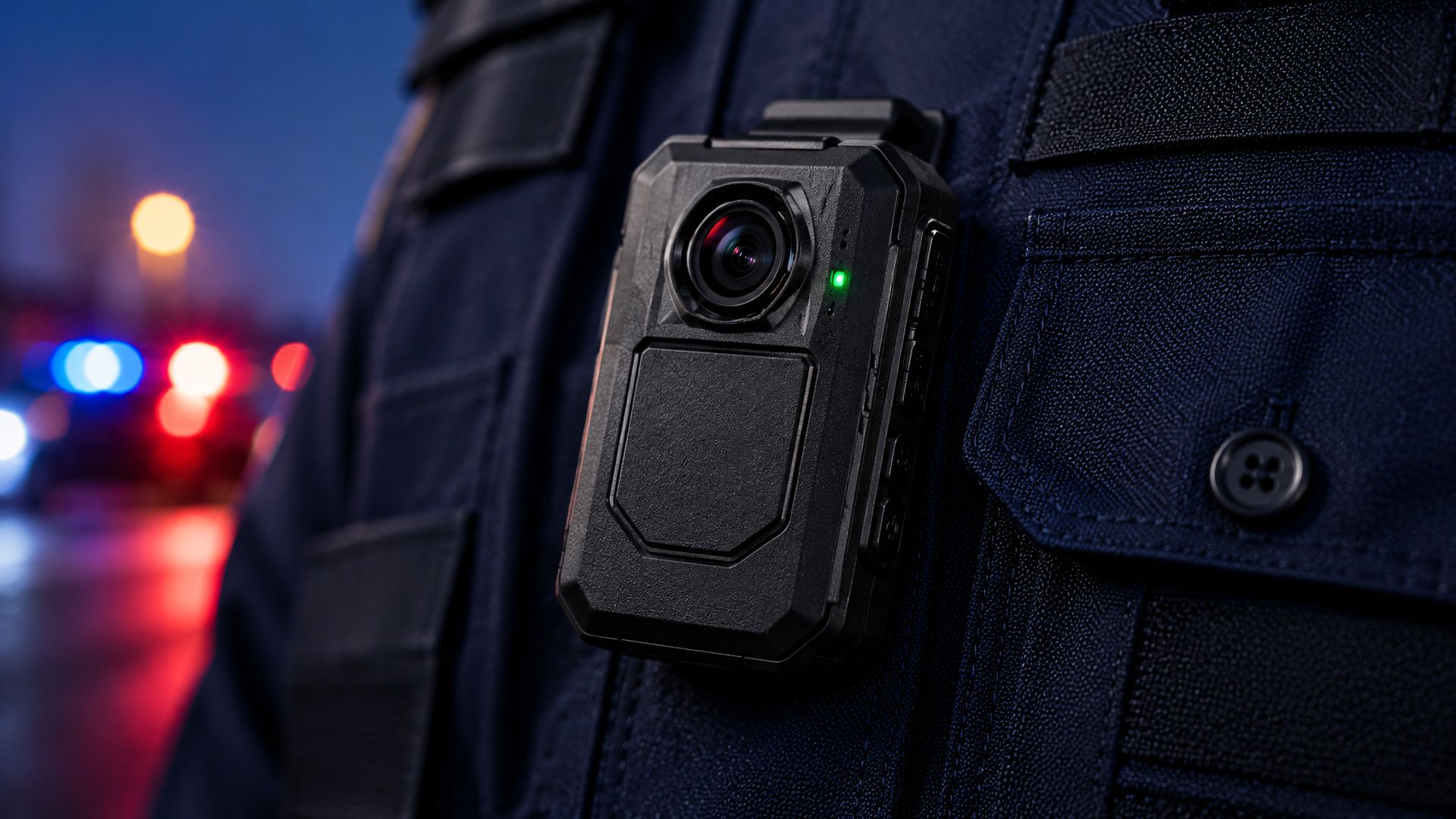
- Comments recorded by police body cameras
- Statements made to friends, family members, or other witnesses
- Text messages, social media posts, or other written communications
A statement does not have to be a confession to become important evidence.
For example, telling an officer you were somewhere else when a crime occurred could become relevant if surveillance footage later places you at the scene.
Miranda protections also generally do not apply to ordinary conversations with private individuals who are not acting as agents of law enforcement.
Can Police Use Statements Made During a Traffic Stop?
Yes. Ordinary roadside questioning during a traffic stop generally does not constitute custodial interrogation for Miranda purposes, even though a driver is temporarily detained.
For example, an officer investigating a possible DUI may ask where a driver has been, whether they consumed alcohol, or what happened before a collision. The driver's answers may be admissible without Miranda warnings.
However, a traffic stop can develop into a custodial situation depending on how the encounter unfolds. Whether Miranda warnings are required depends on the circumstances of the detention and questioning, rather than simply whether an officer has announced an arrest.
When Can Pre-Arrest Statements Be Excluded From Evidence?
Statements obtained in violation of a defendant's constitutional rights may be subject to suppression.
Potential grounds for challenging statements include:
- Miranda violations: Police conducted a custodial interrogation without providing the required warnings.
- Involuntary statements: Officers used threats, coercion, or other improper pressure to obtain a statement.
- Other constitutional violations: Statements were obtained through unlawful police conduct that provides grounds for suppression.
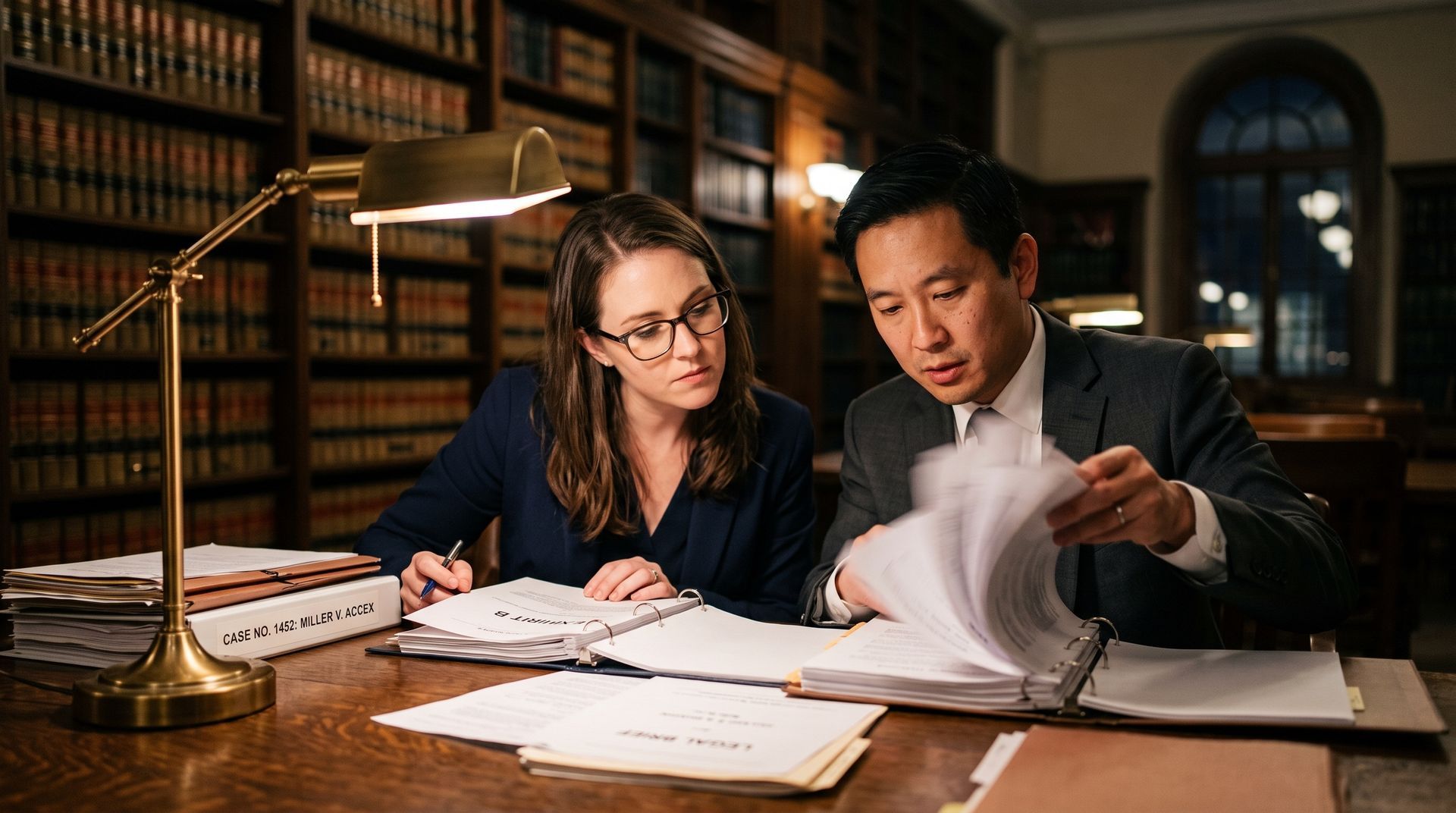
A defense attorney may examine police reports, body camera recordings, interview recordings, and other evidence to determine whether a statement was lawfully obtained.
However, excluding a statement does not automatically result in the dismissal of criminal charges. Prosecutors may still pursue the case using other admissible evidence.
Can You Refuse to Answer Police Questions Before Being Arrested?
Generally, yes. You can decline voluntary police questioning and request an attorney, even if you have not been arrested.
However, certain situations involve separate legal obligations. For example, Arizona law may require someone who is lawfully detained under qualifying circumstances to provide their true full name, and drivers must comply with applicable requirements to produce their license and other documents.
There can also be legal distinctions between simply remaining silent and expressly invoking the Fifth Amendment privilege against self-incrimination during a noncustodial encounter.
If you are facing criminal charges, Arizona Board-Certified Criminal Defense Attorney Michael Alarid III can review statements obtained during an investigation, evaluate whether your constitutional rights were violated, and challenge improperly obtained evidence when appropriate.
Request a free case evaluation by calling our office at (602) 818-3110.
Practice Areas
RECENT NEWS