Can Prosecutors Add New Evidence After Criminal Charges Have Been Filed?
Yes. Filing charges does not mean the investigation is complete, and law enforcement may continue gathering evidence as a case progresses toward trial.
However, Arizona prosecutors must follow disclosure requirements that give the defense an opportunity to review evidence and prepare a response. They cannot simply introduce new evidence whenever they want without regard to those rules.
What Types of New Evidence Can Prosecutors Introduce?
New evidence can take many forms, depending on the nature of the criminal charges and the investigation. Common examples of evidence introduced after charges have been filed include:
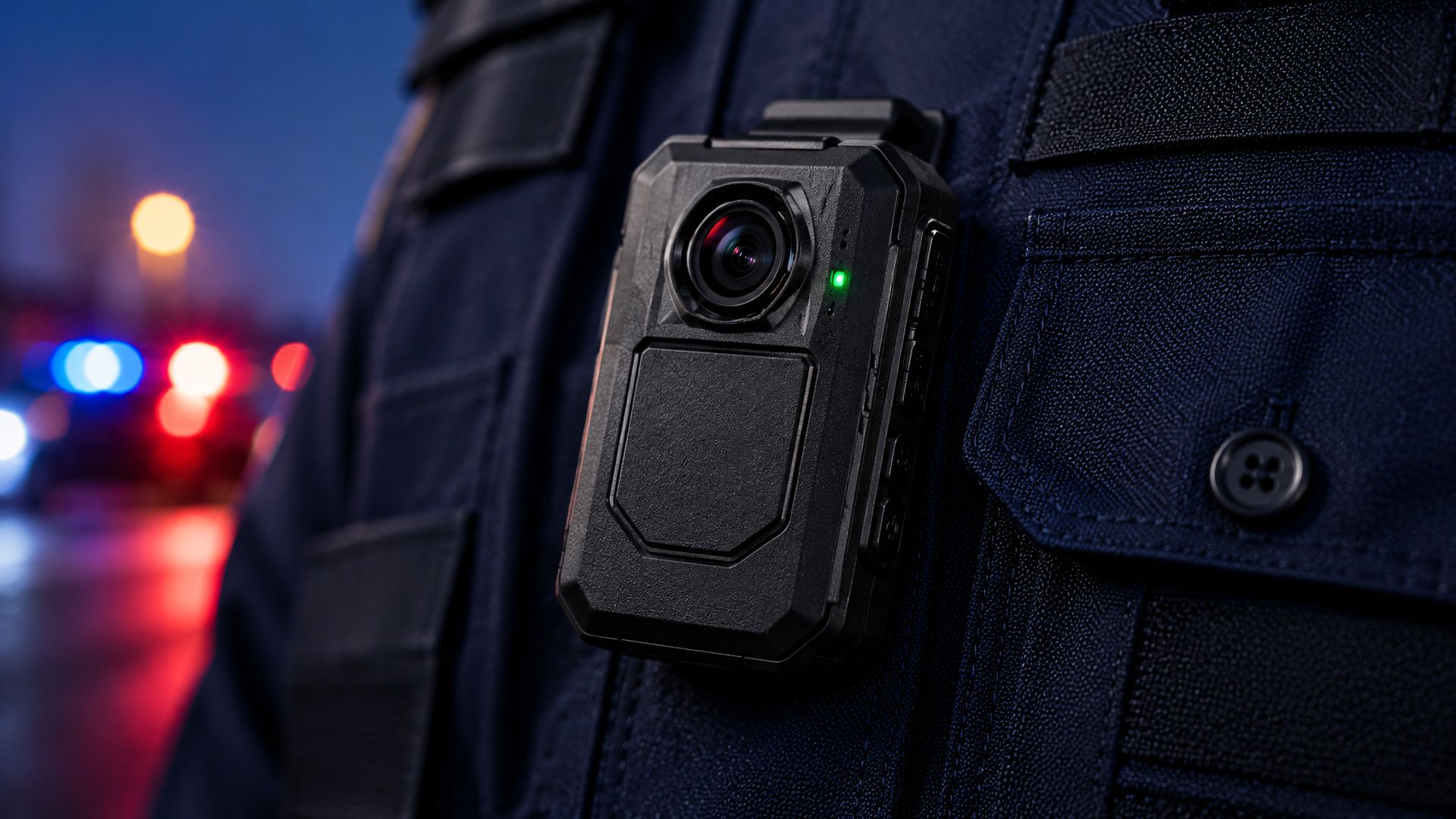
- Surveillance or police body camera footage that was not previously available
- Forensic testing or laboratory results completed after charges were filed
- Additional witness statements or testimony
- Phone records, text messages, or other digital evidence
- Evidence obtained through subsequent searches or investigative leads
Prosecutors must also disclose evidence that could weaken their case or support the
defendant's version of events, even if they have no intention of using that evidence at trial.
The defense can then determine whether and how to present that evidence in court.
When Must Prosecutors Disclose New Evidence?
Prosecutors must disclose certain evidence and information to the defense within deadlines established by Rule 15.1 of the Arizona Rules of Criminal Procedure.
These obligations continue throughout the case, including the requirement to disclose additional information subject to discovery requirements as it becomes available.
This means prosecutors can continue investigating after charges are filed, but they cannot simply withhold discoverable evidence until they are ready to use it at trial.
Can New Evidence Lead to Additional or More Serious Charges?
Yes. Newly discovered evidence may support additional charges or more serious allegations than those originally filed.
For example, forensic testing might establish facts that support a more serious charge than investigators initially believed the evidence justified. Additional witness testimony or digital records could also reveal conduct that was not included in the original allegations.
However, prosecutors cannot always add new charges simply by amending the existing paperwork. Depending on the nature of the changes, they may need to file new charges or obtain a new indictment.
The effect on the case's timeline depends on the charges, the stage of the proceedings, and how prosecutors pursue them.
Can Prosecutors Withhold Evidence Until Right Before Trial?
There is an important distinction between evidence discovered shortly before trial and evidence prosecutors possessed earlier but failed to disclose.
If investigators uncover new evidence shortly before trial, prosecutors may still be able to use it, provided they comply with applicable disclosure requirements.
However, deliberately withholding evidence to prevent defense attorneys from investigating or challenging it can constitute prosecutorial misconduct.
Even an unintentional disclosure violation may affect whether evidence can be used.
Under Arizona criminal procedure rules, courts may impose sanctions for discovery violations, including ordering additional disclosure, granting the defense more time to prepare, or excluding evidence.
The appropriate remedy depends on the circumstances, including why disclosure was delayed and whether the delay prejudiced the defense.
What Happens if Prosecutors Introduce New Evidence Against You?
A criminal defense attorney should examine newly disclosed evidence to determine whether it is reliable, whether it was obtained lawfully, and whether prosecutors complied with their disclosure obligations.
Depending on the circumstances, the defense may challenge the evidence's admissibility, request additional time to investigate it, or seek sanctions for discovery violations.
New evidence can also change the direction of a criminal case, potentially affecting defense strategies, plea negotiations, or the likelihood of proceeding to trial.
If you are facing criminal charges in Phoenix, Arizona Board-Certified Specialist in Criminal Law Michael Alarid III can evaluate the evidence against you, identify potential disclosure violations, and help protect your rights throughout the criminal proceedings. Call us at (602) 818-3110 to discuss your situation during a free case evaluation.
Practice Areas
RECENT NEWS